Western has always carried a certain sense of place. Open landscapes. Weathered materials. Warm earth. The marks of something made, used, and lived with.
Lately, we're seeing those ideas surface again in interiors—but not necessarily in the way you might expect.
The Western influence we're noticing isn't about recreating a ranch or filling a room with obvious references. It's more considered than that. A little more interested in the materials themselves and the feeling they create.
From Western Style to Western Influence
There is a difference between designing a Western room and borrowing from the visual language of the West. The first can be literal and the second leaves much more room for interpretation.
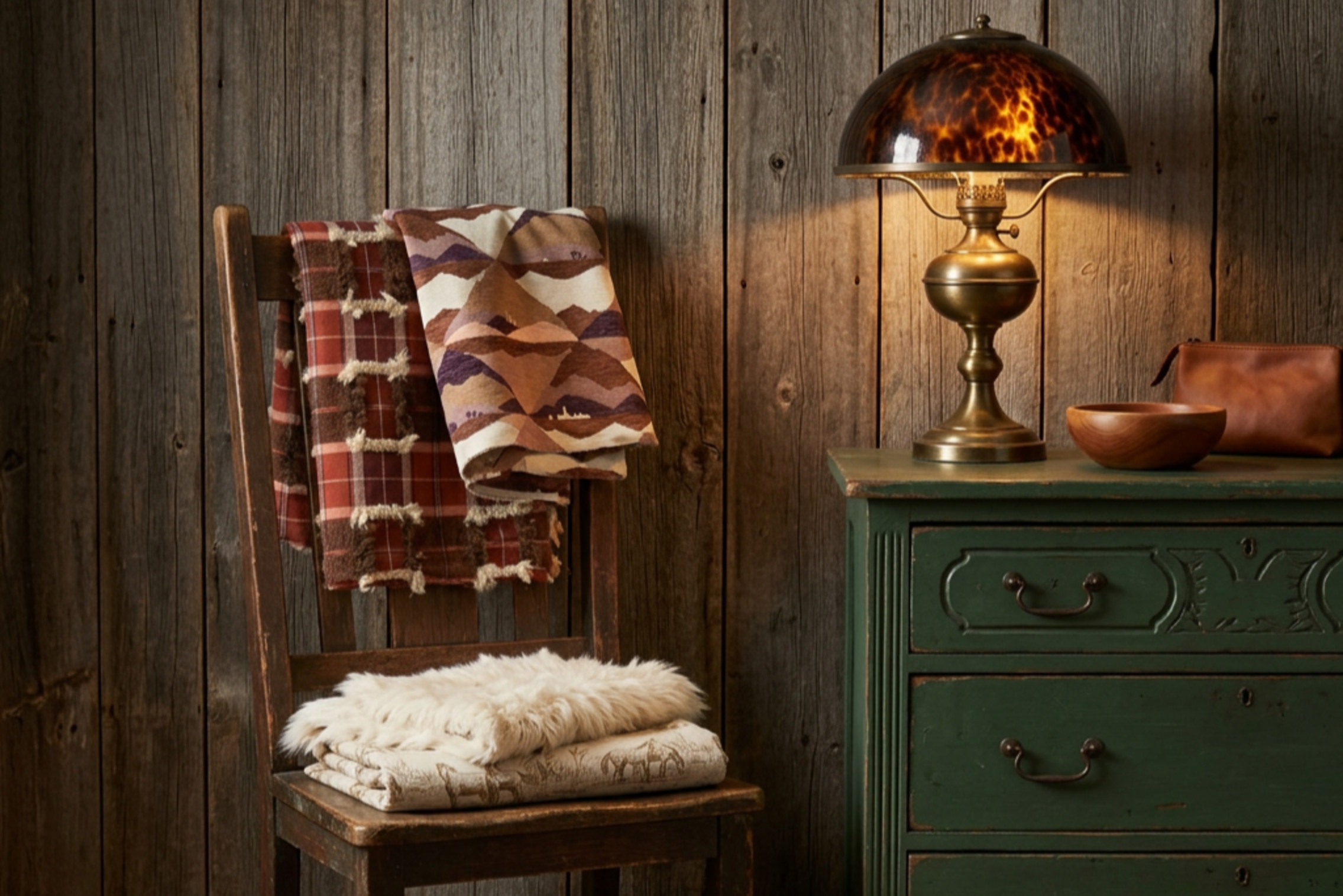
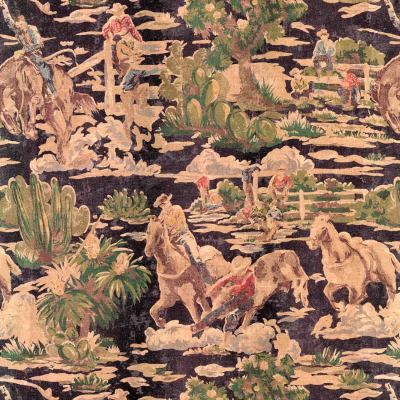
We're seeing designers draw from elements long associated with the American West—leather, plaid, animal pattern, warm earth tones, frontier imagery, woven textures, and handcrafted character—then place those elements alongside materials and silhouettes that feel decidedly current.
That tension is part of what makes the direction interesting. A traditional reference doesn't necessarily need a traditional setting.
Plaid Doesn't Have to Mean Rustic
Plaid may be one of the most recognizable Western references, but its versatility is exactly what makes it useful beyond a traditionally rustic interior.
The difference often comes down to scale, color, and what the plaid is asked to do in the room.
A larger, more substantial plaid can give a tailored chair or sofa a sense of structure. A smaller plaid can quietly establish pattern without competing with a stronger print. And a plaid in an unexpected color can shift the entire feeling of the fabric.
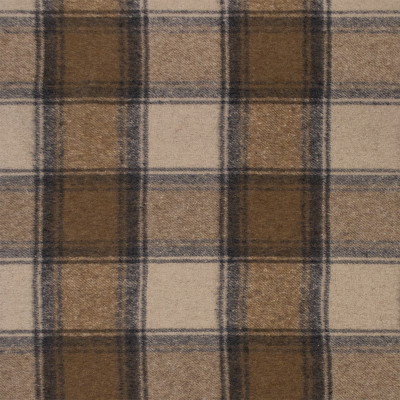
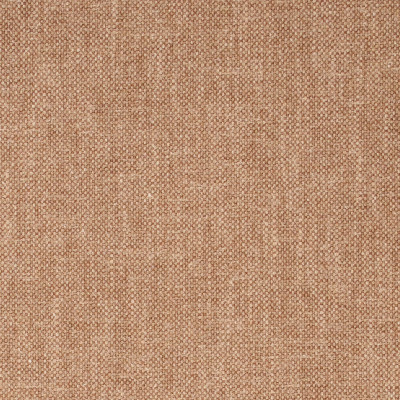
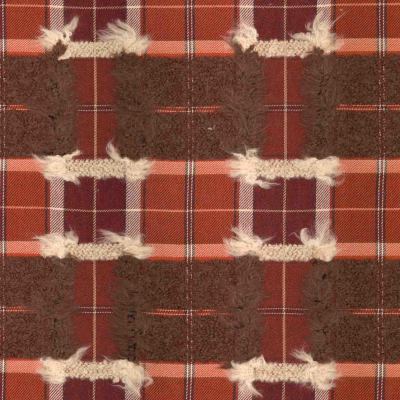
In S7095 Walnut from T03 Library Plaids, the wool-rich woven and warm saddle coloring carry an unmistakable sense of heritage without requiring the room around it to follow suit. S8021 Autumn takes that warmth in a more textural, Western direction, while T21 Classic Stripes & Plaids opens the conversation further with options like S7901 Canyon and S7914 Nutmeg—colorways that feel grounded and familiar, but leave plenty of room for a more contemporary mix.
The Western reference becomes one part of the composition rather than the whole story.
Leather Becomes a Neutral
Leather is another material carrying more influence into interiors right now.
It's easy to associate leather with traditional Western spaces, but designers have long used it for something much broader: weight, warmth, contrast, and character.
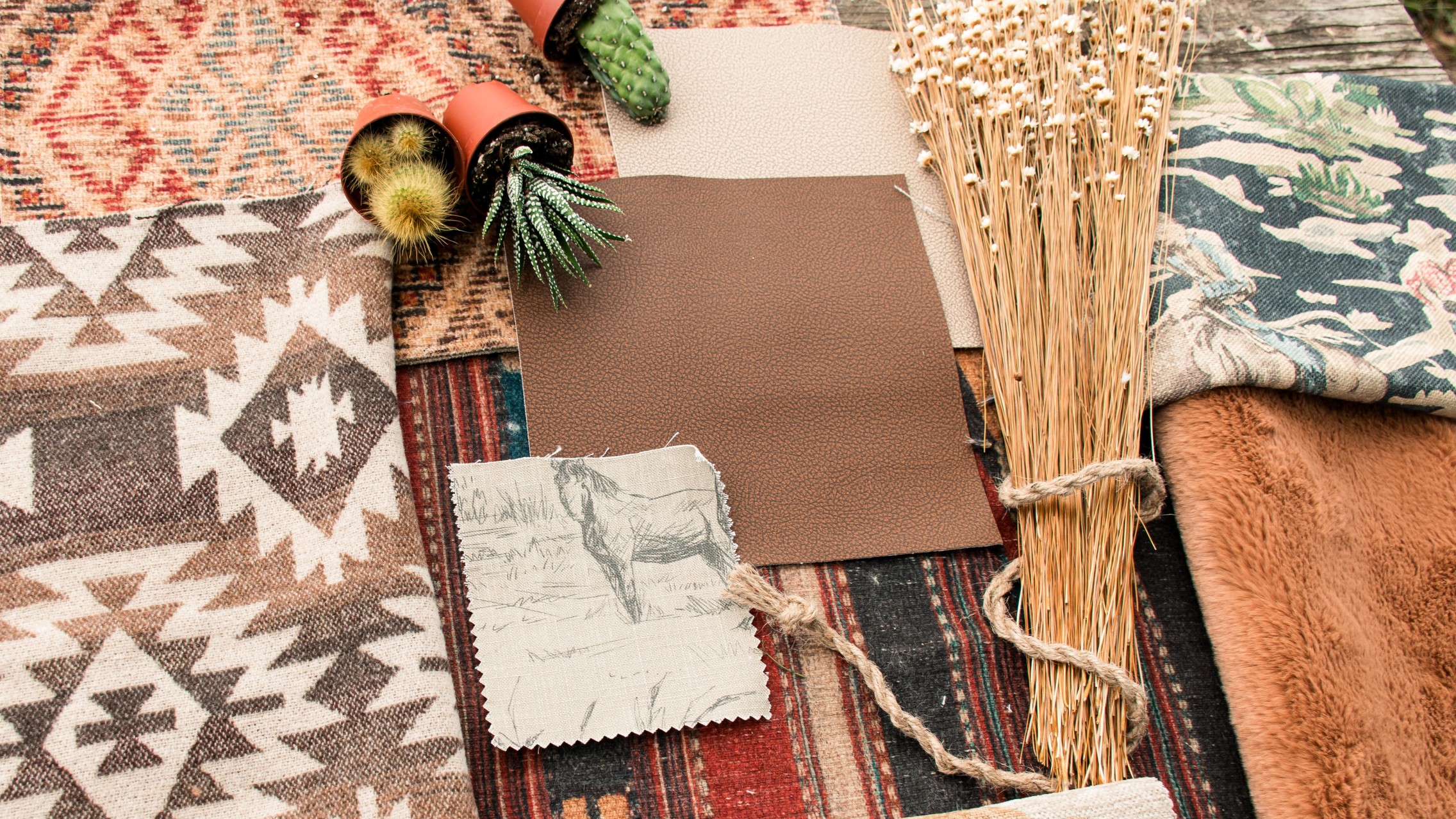
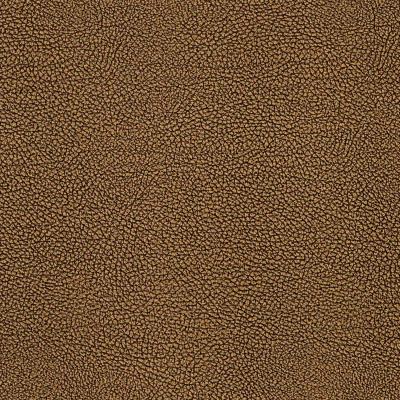
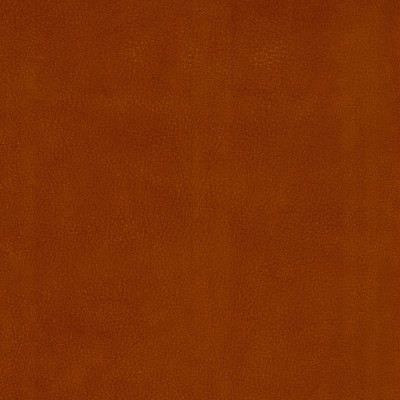
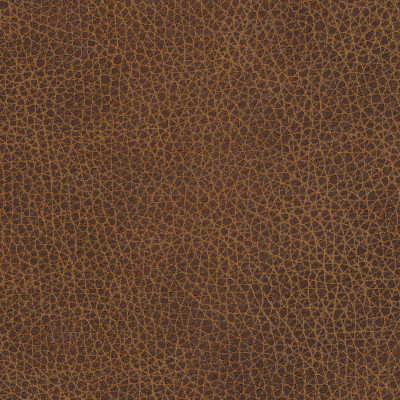
A saddle-toned leather like F6813 Cognac can warm up a cooler room. A darker hide like F6799 Bandwagon can ground a collection of lighter textiles. And the natural variation of leather introduces something a perfectly uniform textile can't quite replicate.
That variation is part of its appeal. Leather doesn't need a strong pattern to make itself felt. Its surface, color, and natural character can be enough to give a room another layer.
That's what makes leather especially interesting when the goal isn't to create a themed space, but to introduce one material with enough presence to change the conversation.
Animal Pattern Gets a New Context
Animal pattern is another familiar Western reference, but it doesn't have to stay in the world of Western décor.
Used as an accent, S8032 Earth can introduce an organic, textural note without becoming the room's entire point of view. A more pronounced animal-inspired pattern like F6210 Mocha can do something different: bring movement and a little surprise to an otherwise quieter composition.
That's part of what makes animal patterns so useful. It can be the unexpected element that keeps a room from feeling too polished or predictable.
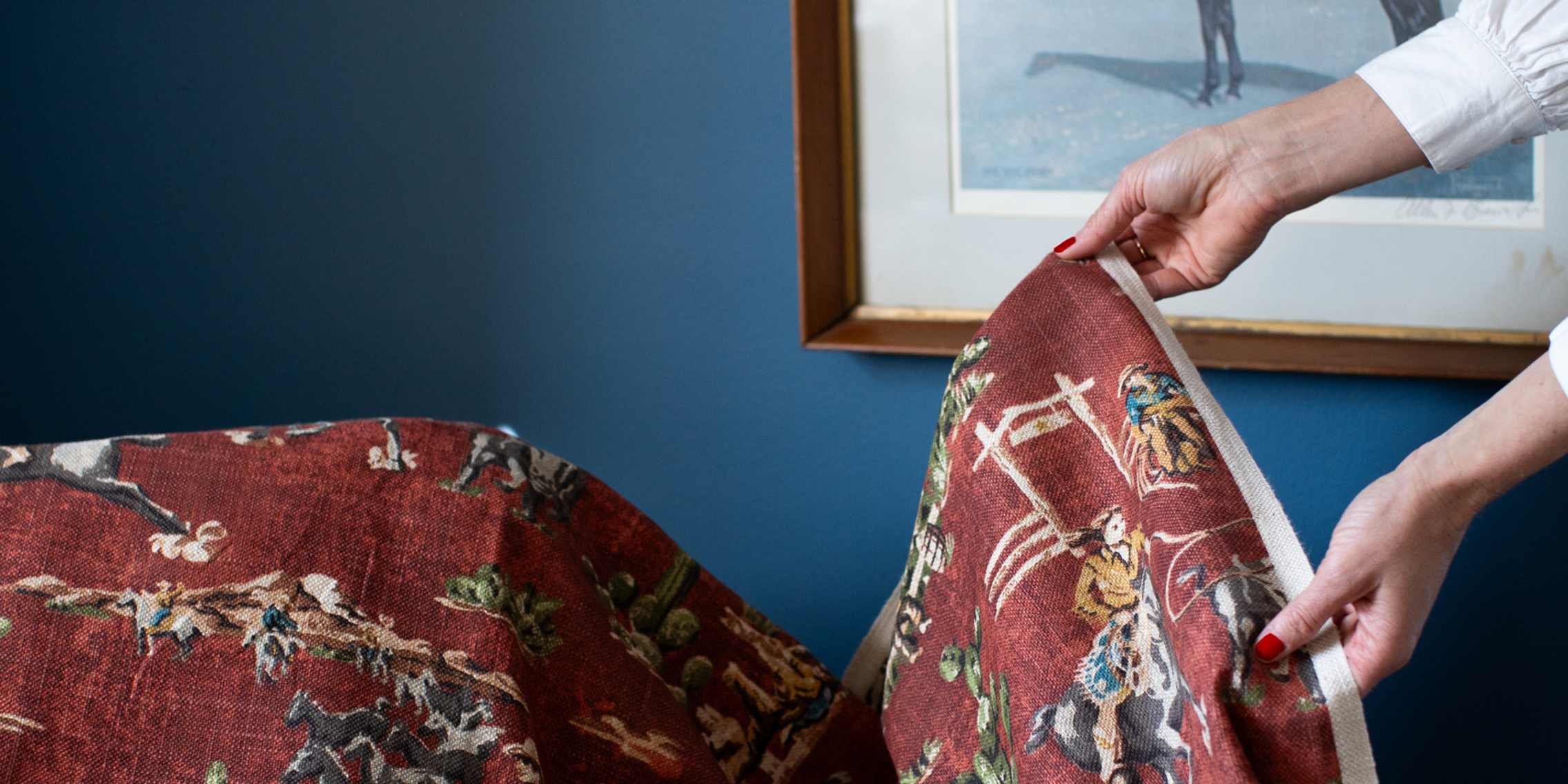
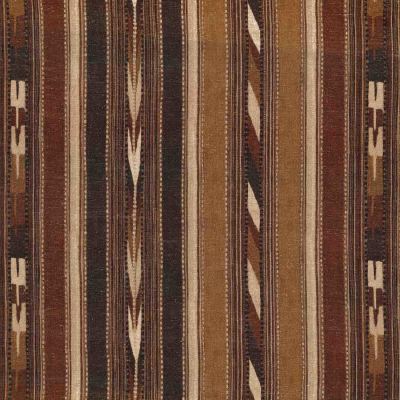
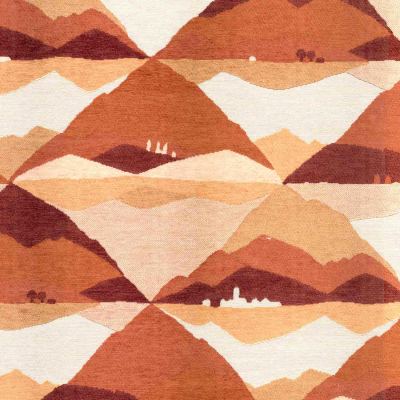
Badlands explores that range through animal-inspired patterns alongside wovens, vinyls, fur, and prints. The collection itself demonstrates how very different surfaces can sit within one visual conversation.
Color Moves Beyond the Expected
Western influence isn't limited to saddle brown and desert beige, either.
We're seeing designers work with the broader range of colors associated with Western landscapes and materials—muted greens, dusty blues, rust, ochre, softened neutrals, deeper browns—and then introduce those colors into rooms that may otherwise have little connection to a Western aesthetic.
Within Badlands, S8022 Sunset brings warmth and depth, while S8035 Denim broadens the palette through deep blue and muted greens. S8030 Deerskin and S8025 Latte offer quieter, more tonal directions.
The point isn't to recreate a Western palette exactly. It's to recognize how those colors can become part of a much larger conversation.
Where We're Seeing It Go
The interesting part isn't deciding whether a room is “Western.” It's noticing how the influence is being translated.
A plaid becomes a layer of structure. Leather becomes a grounding material. The animal pattern brings a little surprise. A familiar color takes on a different character when it meets an unexpected textile.
The references are there, but they don't have to dictate the room.
And perhaps that's what makes this current so interesting to watch: the West is providing inspiration, not instruction.
The most compelling interiors aren't necessarily asking how to make a room Western. They're asking what a Western reference can bring to the room—and what happens when the designer takes it somewhere entirely her own.
EXPLORE OUR RECENT WESTERN-INSPIRED COLLECTION: BADLANDS