Performance fabric can mean different things depending on the fiber, construction and technology behind it. One fabric may offer good resistance to fading near a sunny window. Another may be engineered to resist stains and moisture. A third may have the abrasion resistance needed for frequently used seating. All may be described as performance fabrics, but they don't necessarily offer the same protection.
For interior designers, the question isn't simply whether a fabric is performance. It's what kind of performance it offers, how it achieves it, and whether those properties match the demands of the project.
Understanding the difference between performance built into a fiber and protection added during manufacturing is a useful place to start. From there, a few details on the specification sheet can help you compare options with greater confidence.

Performance Can Start With the Fiber
Some fibers have properties that make them well suited to particular environments before any additional treatment is applied.
Olefin, for example, absorbs very little moisture and offers good resistance to stains and fading. Solution-dyed fibers take a different approach to color retention: pigment is introduced while the fiber is being made, rather than applied to its surface afterward. This can help the color withstand exposure to light and repeated cleaning.
Wool offers another example of an inherent property. Its natural flame resistance can be an advantage in certain applications, although the finished fabric must still meet the requirements of the intended project.
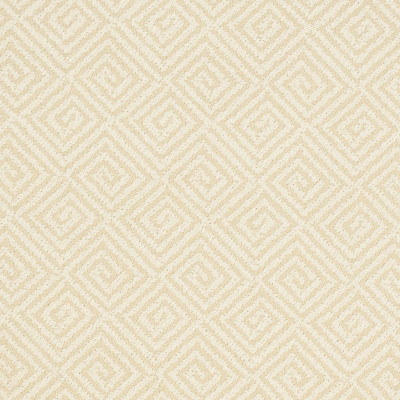
Construction matters, too. A tightly woven textile, a textured chenille and a dense velvet will each interact with spills, debris and everyday contact differently. Fiber content is an important clue, but it doesn't tell the whole story.
The advantage of inherent performance is that the useful property comes from the material itself or its construction, rather than relying solely on an additional surface treatment. But that property may address only one concern. A fiber that performs well in sunlight, for example, may not provide the moisture protection a frequently used sofa requires.
The key is to identify what the material already does well—and what the project may require beyond that.

What Changes When Performance Is Added?
Performance can also come from finishes or engineered systems introduced during manufacturing. The distinction matters because these approaches can offer different benefits.
A topical finish, for example, may be applied to help repel water or resist stains. C0 finishes are fluorine-free alternatives used for repellency; the specific protection offered depends on the finish and the manufacturer's claims. A finish should never be assumed to provide every kind of stain, moisture or abrasion resistance, and its care instructions are worth reviewing before selection.
Crypton fabric takes a more comprehensive approach to performance. Its technology is designed to help fabrics resist stains, moisture and odors, making it relevant for projects where cleanability is a significant consideration.
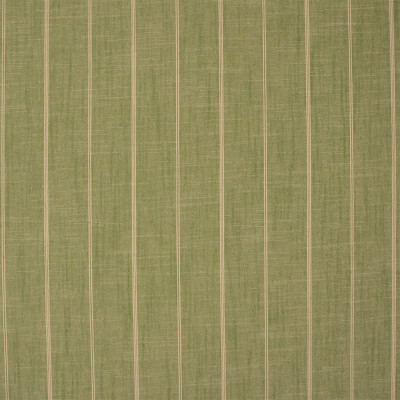
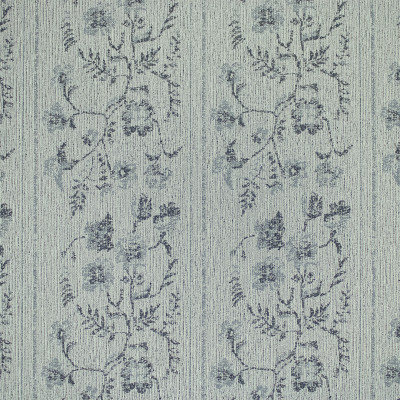
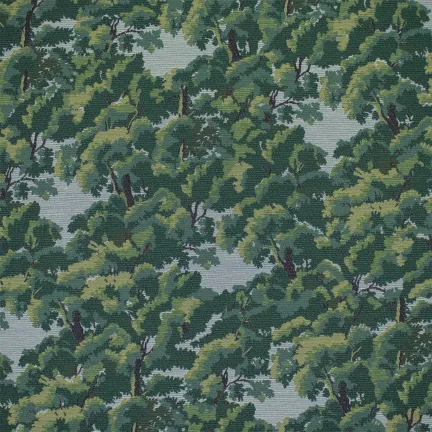
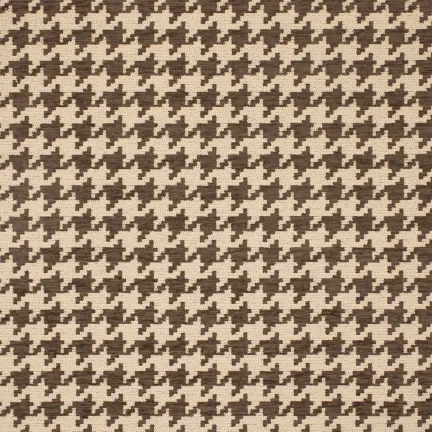
Anna Elisabeth's T07 Terrace book offers a practical way to see how Crypton performance technology fits into a design decision. S7243 Torrent, for example, pairs a large-scale green foliage pattern with a Crypton finish, a 75,000 double-rub rating and a W cleaning code. S6991 Mink offers a smaller brown houndstooth pattern with the same named performance technology, a 33,000 double-rub rating and a W cleaning code.
Both are performance fabrics within the same collection, but their specifications are not identical. Their patterns also create different visual effects in a room. The comparison is a reminder that choosing a performance fabric still requires looking beyond the technology's name to the individual textile.
How to Read a Performance Fabric's Specifications
A performance claim is a starting point. The specification sheet helps you understand what it means for the project.
Abrasion rating: Double rubs measure a fabric's resistance to abrasion under a specific test. They are useful when evaluating upholstery that will see repeated contact, but they do not measure stain resistance, fading, cleanability or overall lifespan.
Cleaning code: A “W” code generally indicates that water-based cleaning methods are permitted under the manufacturer's instructions. Always check the care guidance for the specific fabric before recommending a cleaning method.
Fiber content and construction: These help explain how the fabric may behave, what properties it naturally offers and how its surface may look and feel over time. They also help you compare fabrics that carry similar performance labels.
Finish and performance claims: Look for the specific benefits listed, rather than relying on the word performance. Is the fabric designed to resist stains, repel moisture, withstand sunlight or address several of these concerns? If a particular property is essential to the project, verify that it is supported by the fabric's documentation.
Fire-code requirements: Residential and commercial applications can have different requirements. Confirm the applicable standards for the project rather than assuming that a high abrasion rating or performance finish establishes compliance.
Taken together, these details offer a much more useful picture than any single number or label.

So, Which Performance is Fabric Worth It?
That depends on what the fabric needs to handle. For a frequently used family-room sofa, stain resistance and straightforward care may be priorities. For drapery or seating beside a sunny window, color retention deserves closer attention. In hospitality or commercial settings, abrasion, cleaning protocols and applicable fire requirements may carry more weight. Each application calls for a different balance of properties.
The goal isn't to choose the fabric with the longest list of performance claims. It's to find the right combination of durability, cleanability and design for the space. Anna Elisabeth brings these considerations together across collections like T07 Terrace, featuring Crypton performance,T14-T17 contract collections, and T22 Crypton Textures, giving designers options that account for both beauty and performance.
Explore Anna Elisabeth's collections, request complimentary samples selected for your project, and work with one of our fabric concierges to compare options with confidence. With knowledgeable support, reliable inventory and fast shipping, you can move from exploring possibilities to bringing the right fabric into your design.