You can love the fabric on a memo and still hesitate when you see it on the chair.
The color is right, the pattern is beautiful, and everything about it seems to work. But suddenly, on the piece, it feels different.
More often than not, the difference is scale. Pattern scale is one of those details that can be easily overlooked, because the motif is right there in front of you. But once that pattern moves onto a chair, sofa, headboard, drapery panel, or wall, its relationship to everything around it changes.
A large motif can become architectural and a small repeat can become texture. The same pattern can feel quiet in one application and commanding in another. That’s why scale is less about choosing “large” or “small” and more about understanding what the pattern will do once it has room to live.
A Memo Tells You Part of the Story
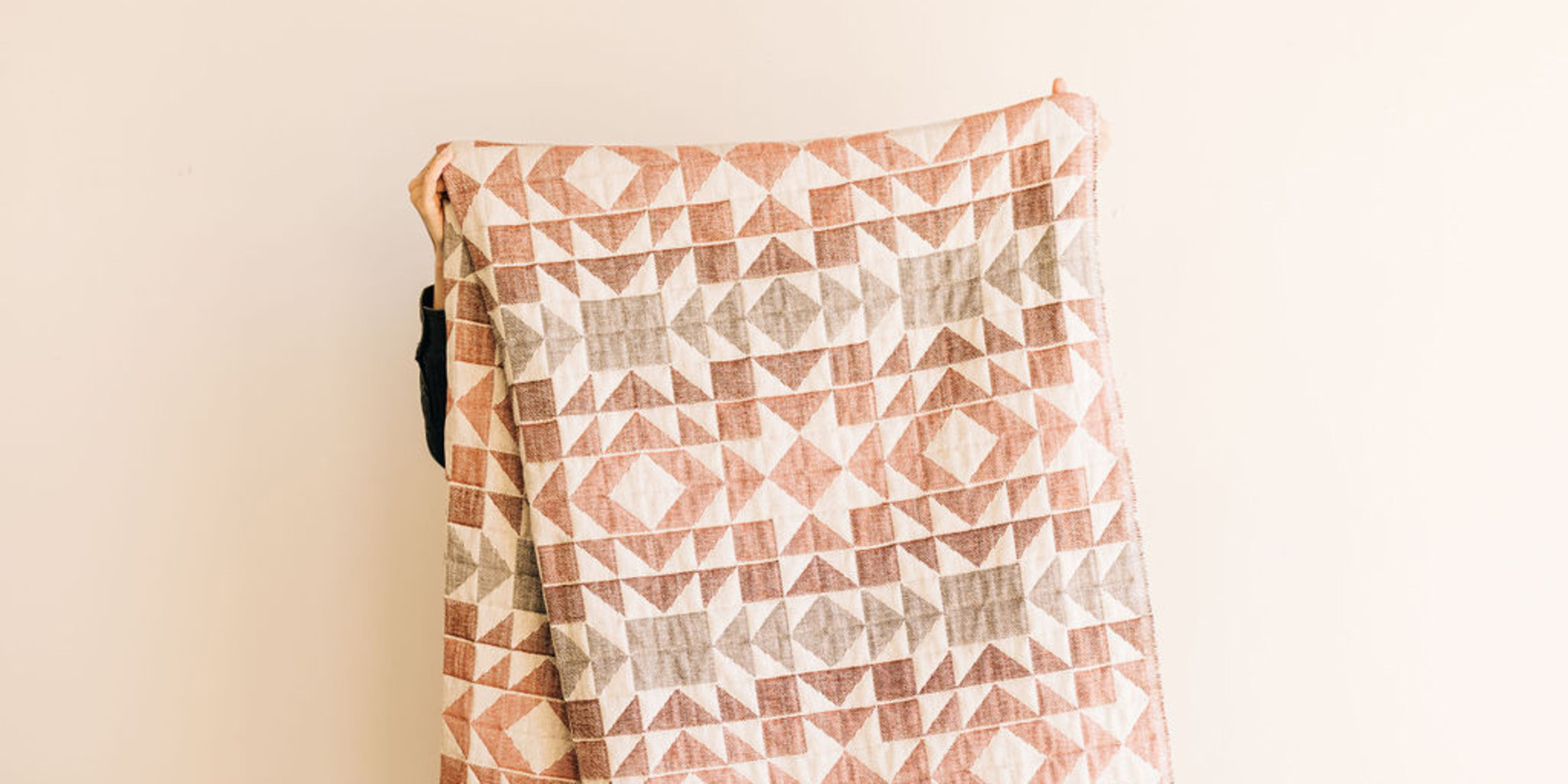
A memo gives you something important: the actual fabric in your hands. But sometimes, it also gives you a small piece of the picture.
On the memo, you might see a single flower, part of a stripe, or one section of a repeat. On a sofa, that same motif could stretch across several cushions; on drapery it might climb yards of fabric, or on a headboard it could sit framed by the shape of the piece itself.
The pattern hasn't changed — the relationship to it has.
That is why scale and proportion are a fundamental part of creating rooms that feel balanced and intentional. Before choosing a patterned textile, it helps to imagine the fabric beyond the memo.
Where will the eye land first? How much of the motif will actually be visible? Will the pattern have room to unfold, or will the furniture break it into smaller pieces? Those questions can quietly change what looked like the obvious choice.


Large Doesn't Always Mean Loud
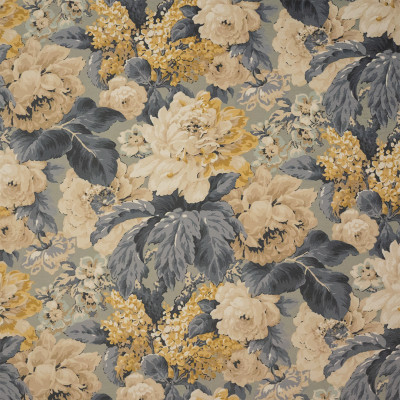
Large-scale patterns have a reputation for being bold—and sometimes they are. But a larger motif can just as easily create calm, because the eye has fewer individual elements to process. One sweeping shape can set the rhythm of a whole piece where a field of small details would have competed.
That can be especially beautiful in a larger upholstered form.
A sweeping botanical across the back of a sofa can feel almost architectural, a large geometric can emphasize the clean lines of a chair, and a scenic motif can turn a single upholstered piece into something closer to art.
The key is giving the pattern enough room to be itself. A large-scale design doesn't necessarily need a large room—it needs an application that lets its scale make sense.
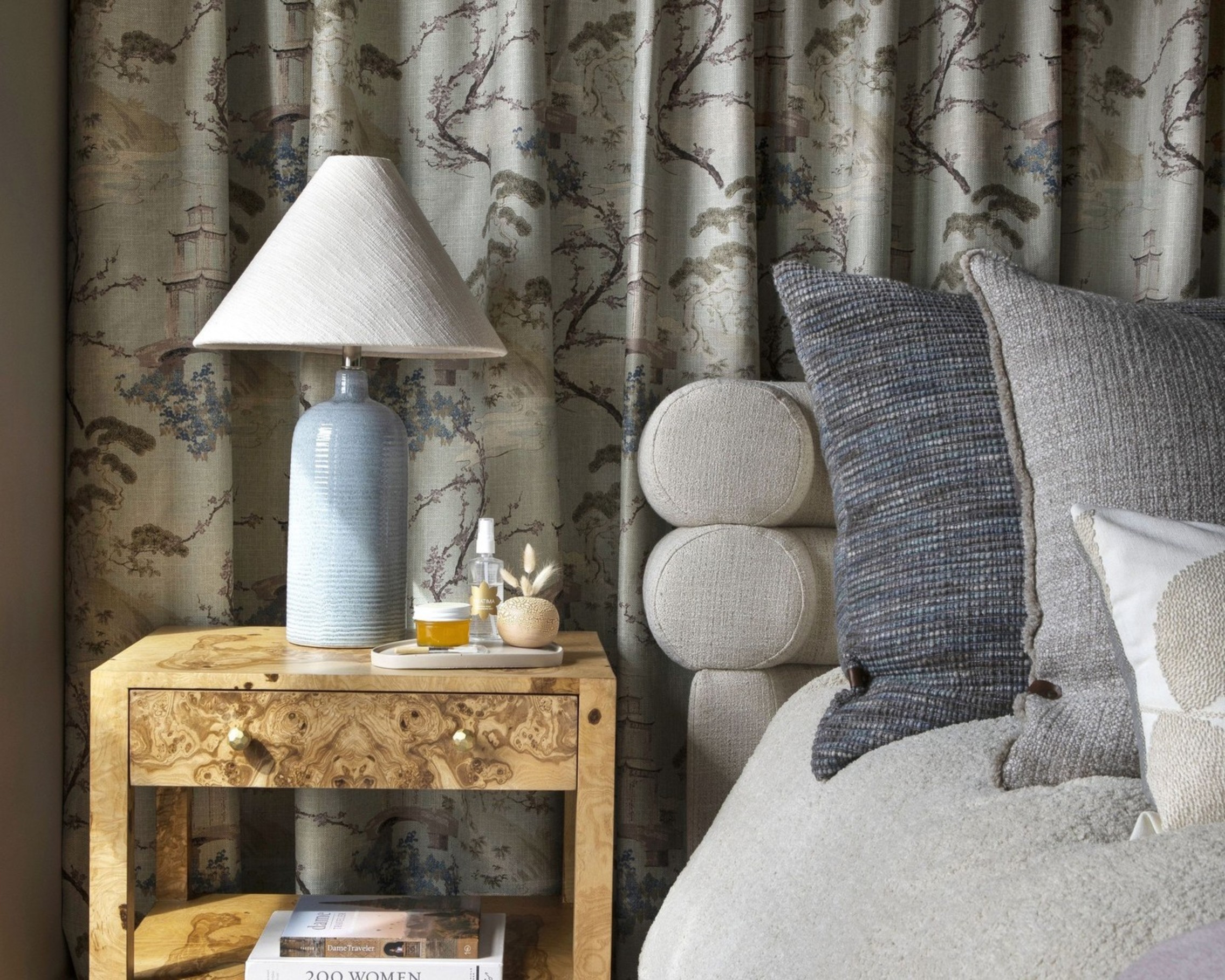
Small Scale Has Its Own Kind of Power
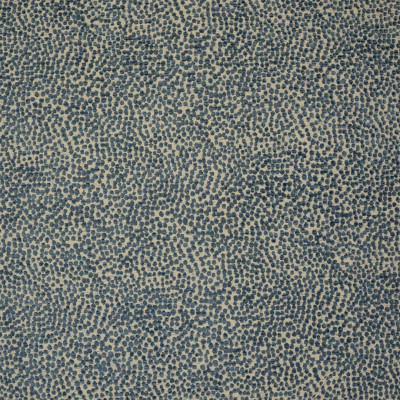
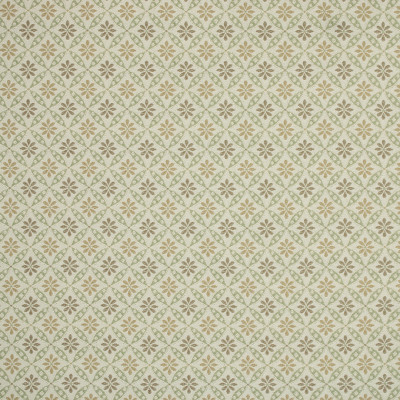
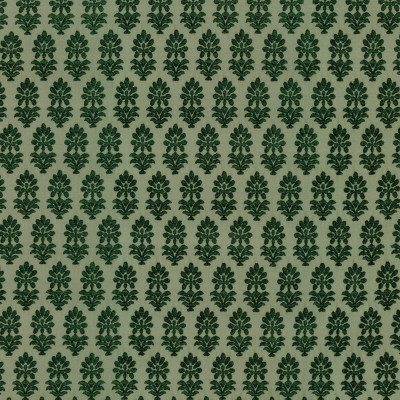
Small-scale patterns work the other way. A tighter repeat creates movement, because the eye meets the motif again and again, and from across the room it can begin to read almost like texture or color rather than a set of individual shapes. That makes smaller-scale patterns useful when you're building layers.
A small floral sitting beside a larger botanical, a fine stripe adding rhythm without challenging a hero print, a small geometric giving structure to something softer and more organic.
Sometimes the smallest pattern in the room is the one holding everything together. The goal was never to make every fabric equally noticeable — it's to give each one a role.
How Patterns Talk to Each Other
This is where scale becomes especially useful when you're working with more than one textile. Picture a room with a large botanical, a stripe, and a small geometric: the colors can relate, and the motifs can be nothing alike. What keeps them from fighting is the difference in scale.
It helps to think of it less as matching and more as conversation. One fabric speaks first, another answers, a third fills the space between them, and the quieter fabrics — the solids, subtle textures, and open spaces — let the whole exchange breathe.
That difference in scale is usually what separates a room that feels collected from one that feels crowded. But the patterns aren't the only things in that conversation — the piece underneath is talking too.
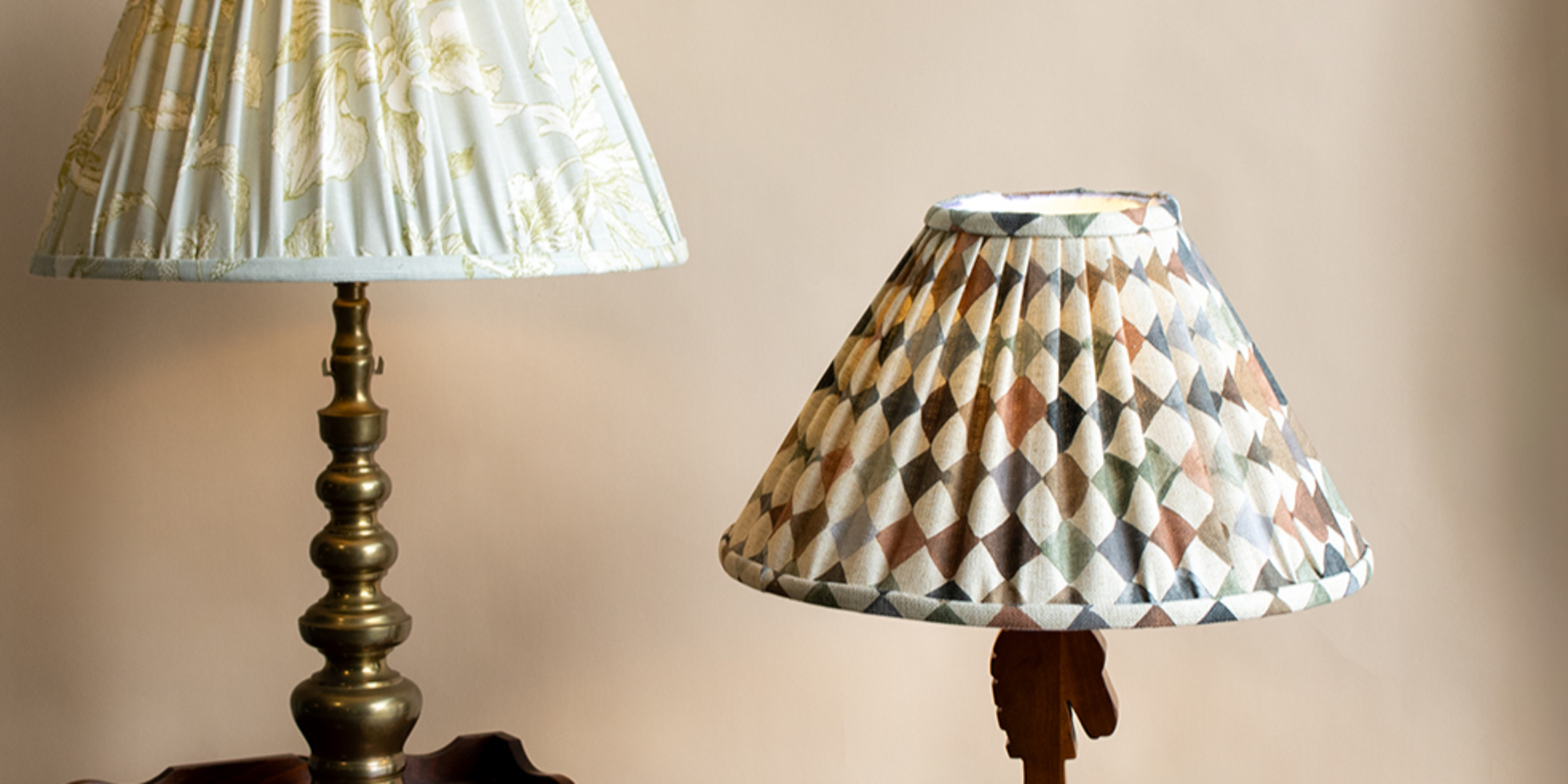
The Furniture Becomes Part of the Pattern
The silhouette a fabric lands on becomes part of the pattern itself. A curved chair interrupts a geometric pattern differently than a straight-backed sofa, tufting breaks up a motif, a skirt can change where the pattern lands, and a cushion seam can divide a repeat right where you weren't expecting it.
The same fabric can carry a completely different presence depending on the shape beneath it — so instead of only asking, “Do I like this pattern?” there’s a more telling question: “What will this pattern become on this piece?”
Will the motif be centered? Will it wrap around the form? Will the scale emphasize the silhouette or compete with it? Will enough of the repeat be visible for the pattern to read the way you intended?
Those are small questions, but they can lead to very different results.
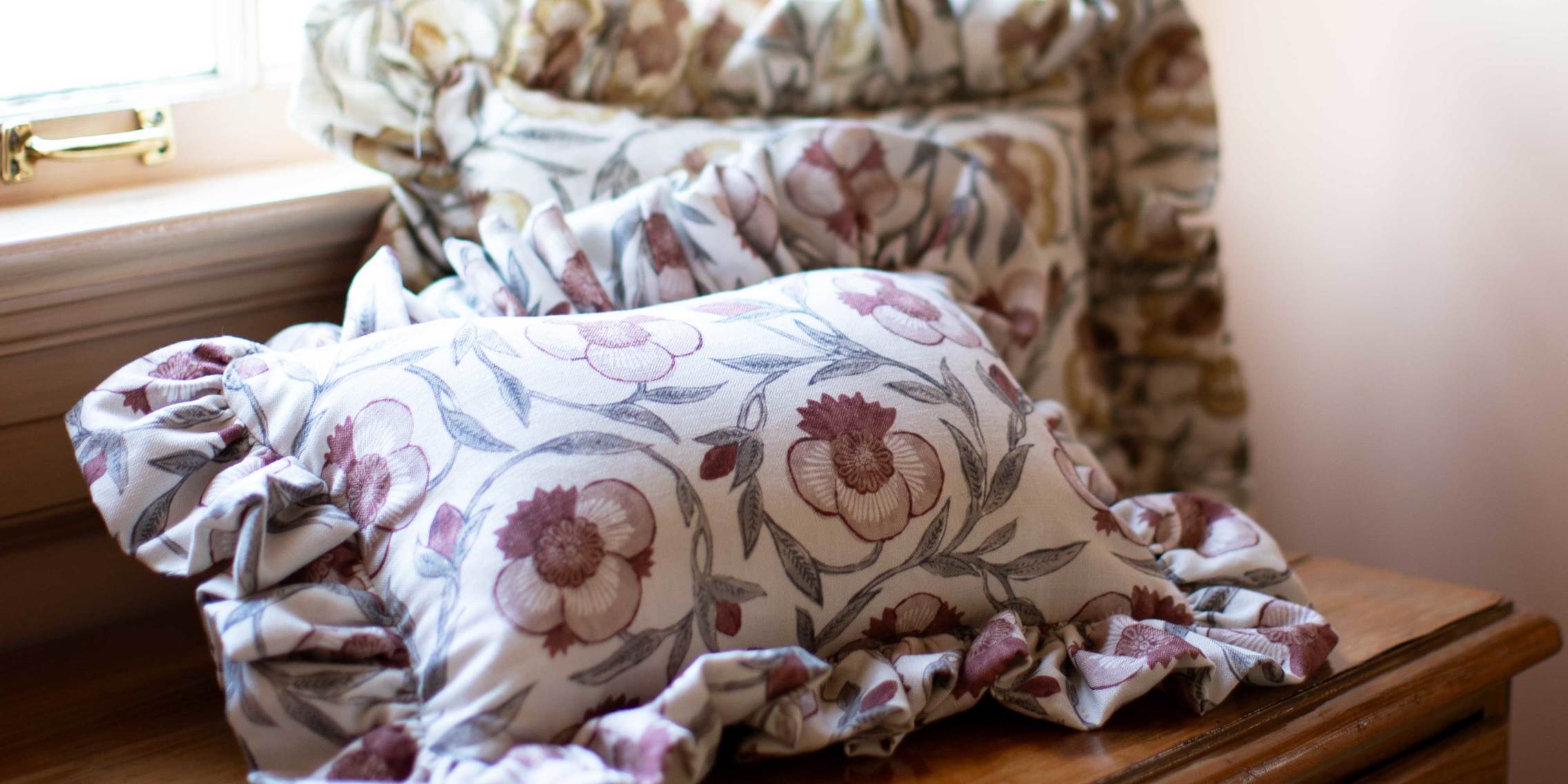
Sometimes You Need to See It Bigger
Scale is one of the reasons sampling is more than a color check. With a large-scale textile, seeing a larger memo can reveal what a swatch can’t: how much of the motif you'll actually get, the rhythm of the repeat, and whether the pattern feels generous or delicate once you step back.
A screen can show you the artwork, and a memo can show you the fabric, but seeing the fabric in the context of the project is where you start to see the design. That's the moment the guessing stops.
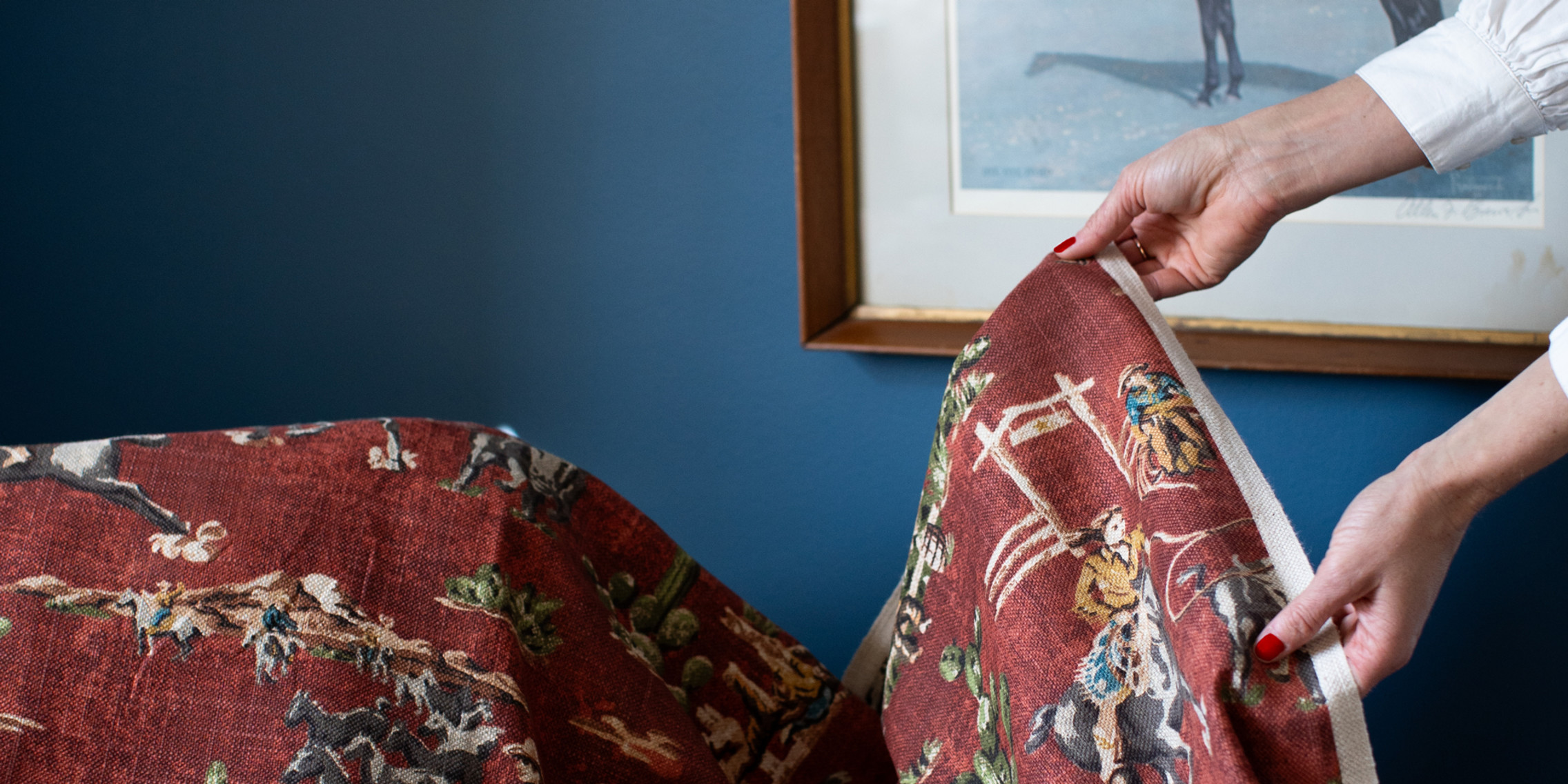
There Isn’t One Right Answer
The most interesting thing about scale is that there isn't one right answer. A small pattern isn't automatically right for a small chair, and a large one isn't reserved for a large room.
A bold repeat can become surprisingly quiet when surrounded by space, and a delicate print can grow more active when repeated across a larger surface.
Scale is simply another tool in your hands — one that shifts rhythm, emphasis, balance, and the way a textile relates to everything around it. So the next time a fabric catches your eye, it's worth looking beyond the motif itself.
Look at how big it wants to become, and then give it the room to show you.
Explore Anna Elisabeth fabrics and request a one-yard memo to see how the pattern reads in your hands—and on your project.