You can fall for a fabric on a screen — the color, the pattern, the quiet promise of it. Trusting it is another thing entirely, because a screen only ever carries part of the story. The rest arrives once the fabric is in your hands.
The Screen Can't Show the Whole Story
A monitor flattens everything — the way a weave catches the light, how a color shifts from morning to evening, or how a pattern reads at the scale of an actual sofa. A memo brings those details back into view: not as a precaution, but as a chance to see the fabric the way a room eventually will, in real light and at full scale, before anything is final.
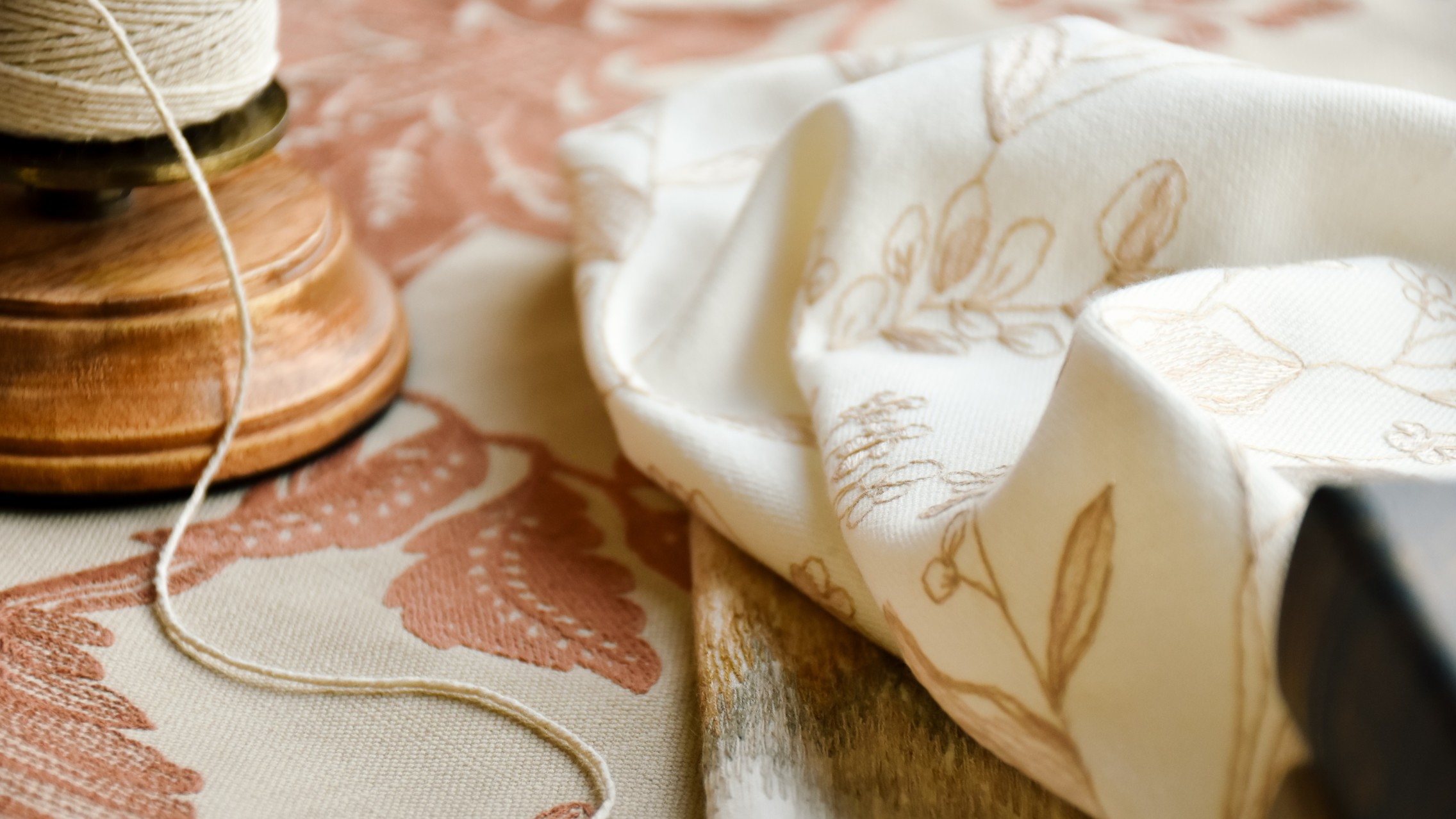
Some Things Only the Hand Knows
There's a reason the first thing you do with a sample is run a hand across it — the weight, the drape, the difference between a crisp weave and a soft one. Some things simply live in the hand, and holding a fabric is what turns an educated guess into a decision you can stand behind and present to a client with confidence.
The Details Are Where the Room Comes Together
The small choices are the ones that make a space feel intentional, and they often have to be seen and felt to get right. Studying scale, texture, and movement in natural light is how those choices get made without second-guessing. More often than not, that quiet moment is where the room begins.
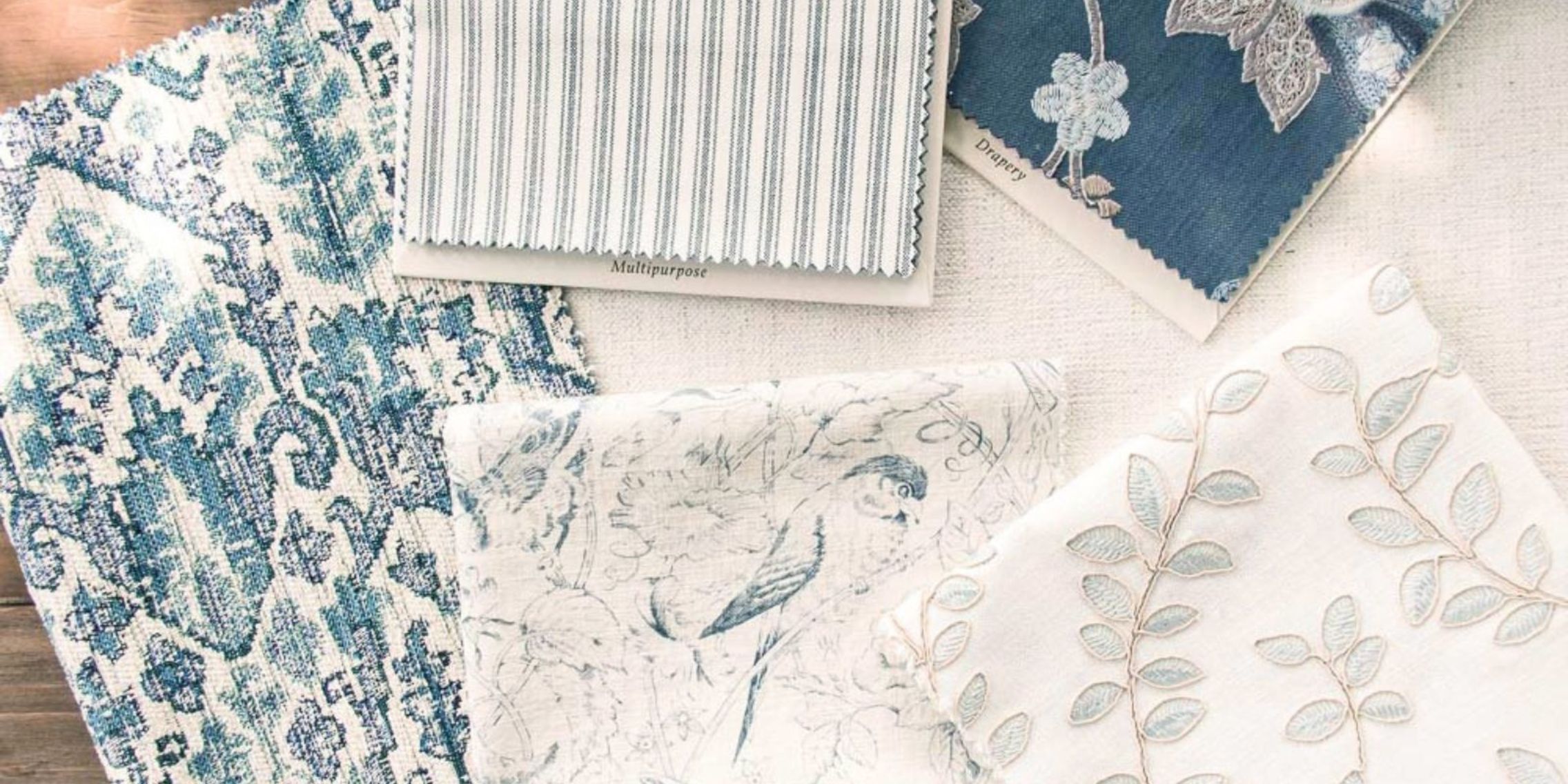
A Partner in the Process
We've always believed the best design decisions happen with the fabric in hand, so we’ve made that part simple. Complimentary samples are just how we work — because when you can see it, feel it, and share it with a client, everything begins to settle into place. Sampling was never only about seeing a fabric in person. It's about the confidence to choose something that excites you.
When you're ready to take a closer look, explore the ways to sample with us — and let the fabric tell you the rest.