Sometimes you know exactly what fabric you're looking for. Other times, you know the room, the feeling, and the direction—but the right fabrics haven't revealed themselves yet.
That's where a sample book can become a useful part of the design process. Rather than searching for each fabric independently, you have a curated assortment of fabrics in front of you, ready to pull apart, compare, and consider together.
The book doesn't have to give you the answer. It can give you somewhere to begin. Here's how to leverage a curated sample book throughout your design process.
Start With What the Project Needs
Begin with the scope of the project before you start pulling samples. If you need one or two fabrics for a defined application, a more focused sample book can help narrow the field quickly.
If you're developing several fabrics for a room, a broader assortment can give you more room to explore.
Application is often the clearest place to begin. A drapery project calls for a different starting point than an upholstered piece, while a project with performance requirements may need to be filtered differently from the beginning. When you need something that can move between applications, a multipurpose assortment gives you another useful place to start.
From there, consider whether the design direction itself can help narrow the search. Perhaps you know the project needs an embroidery, velvet, plaid, woven, or a particular kind of texture. Maybe the material is clear, but the aesthetic is still open. Or perhaps the room has a stronger point of view that calls for a collection rather than a category.
The Anna Elisabeth sample-book library is organized around these different ways of searching, with books spanning applications, materials, performance, pattern, and collection. That means you don't have to start with the entire library in front of you. You can start with the question the project is actually asking.
When You Need One Specific Direction
Once you know what you're looking for, a focused sample book can help you get much closer to the right fabric without making the search feel overwhelming.
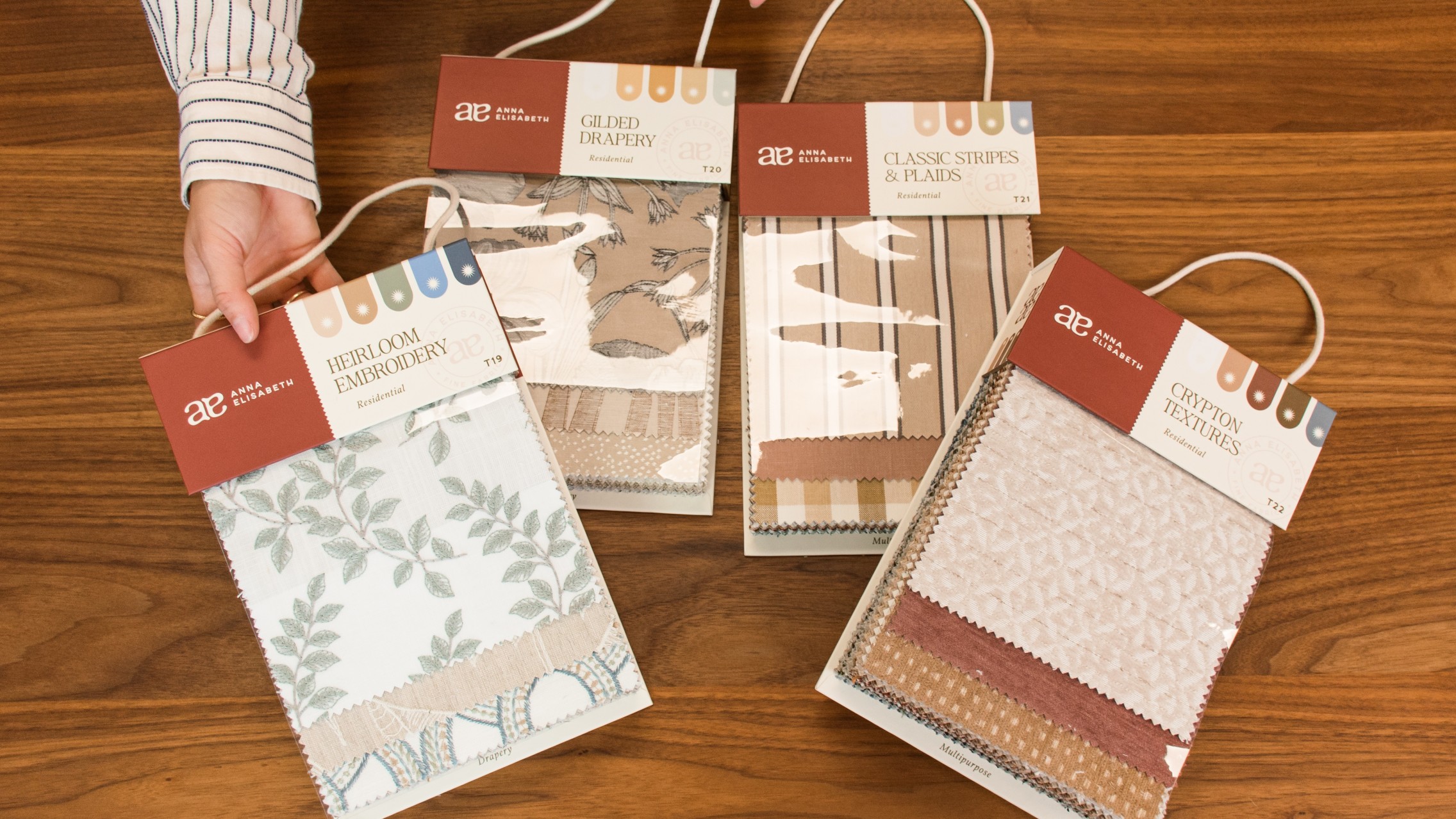
For a specific application, start there. T20 Gilded Drapery, for example, brings the search into a collection centered on drapery, while upholstery, multipurpose, and window-focused sample books offer similarly targeted places to begin.
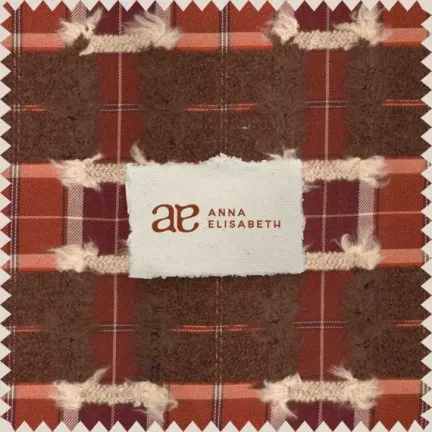
The same approach works for design characteristics. Looking for plaid or stripes? T03 Library Plaids and T21 Classic Stripes & Plaids give you concentrated assortments built around those pattern families. Looking for embroidery? T19 Heirloom Embroidery puts that decorative detail at the center of the search. Want velvet? T04 Mosaic Velvets gives you a focused assortment of velvet rather than asking you to search across unrelated fabrics.
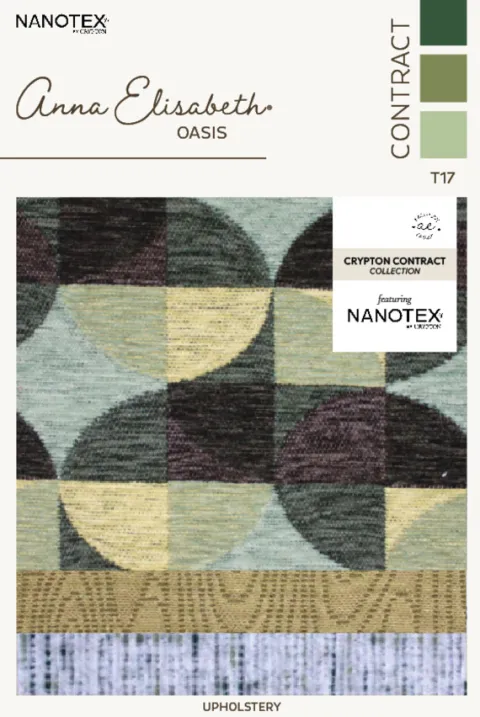
And when performance is part of the project, the same principle applies. For Contract needs, T14–T17 offer contract-rated starting points. For performance without a Contract requirement, T22 Crypton Textures and T07 Terrace provide focused options. For outdoor applications, explore S87 Outdoor or S62–S64 Outdoor Performance.
The benefit is simple: when you know the direction, let the sample book help you stay focused while you explore the possibilities within it.
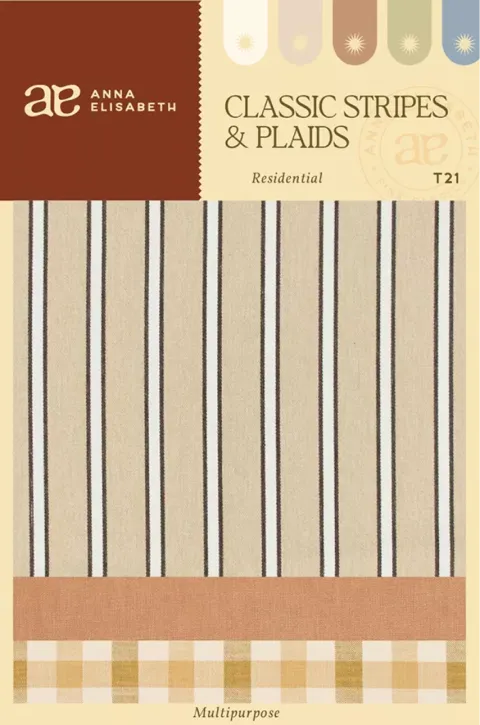
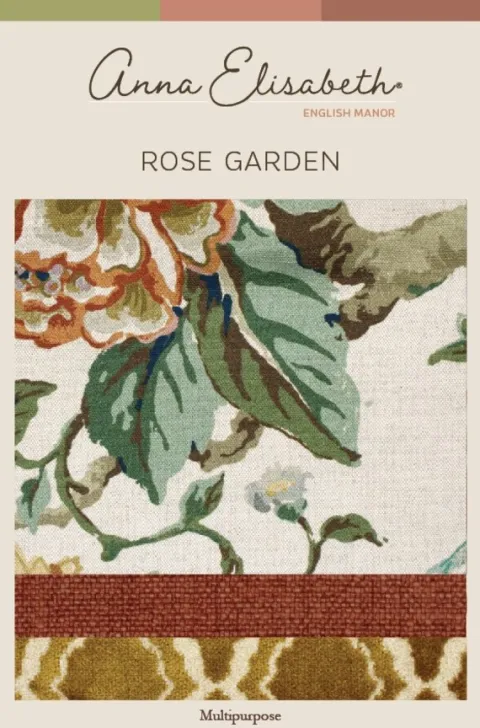
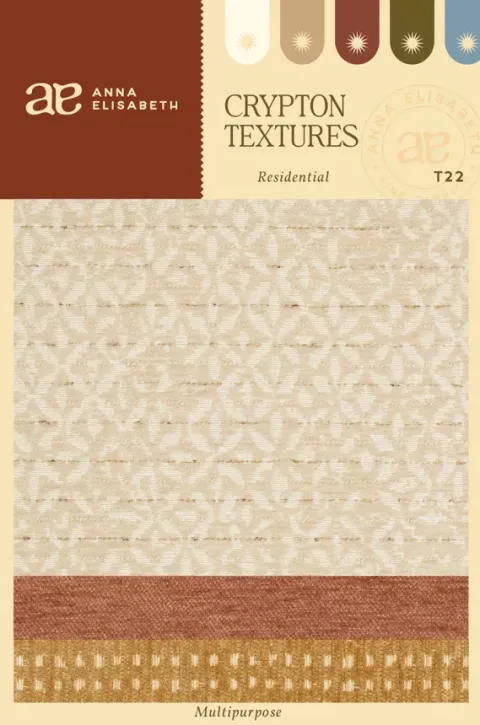
When the Project Calls for a Stronger Point of View
Other projects begin with less of a functional question and more of a feeling. That's when a collection with a distinct point of view can be a more inspiring place to begin.
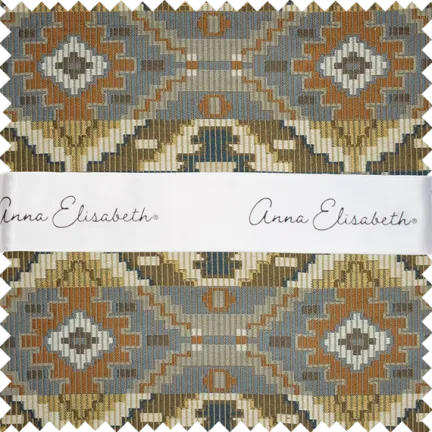
O01 Badlands brings together a Western vocabulary through animal-inspired patterns, wovens, vinyls, fur, and prints, giving the designer materials with a sense of landscape, contrast, and character to work from.
O02 Jaipur offers another kind of direction, with Indian-inspired prints, decorative rug patterns, and mythical botanicals. It is a collection for when you want a fabric to bring more imagination, scale, or drama into the space.
M21 Anthology takes a different path, bringing together earthy palettes, organic textures, hand-drawn artistry, and woven designs for a more instinctive, collected point of view.
These kinds of collections are useful when the question isn't simply, “What type of fabric do I need?” It’s “What do I want this room to feel like?”
A collection with a strong point of view can give you a direction to respond to, even when you haven't decided exactly which fabric will make the final cut.
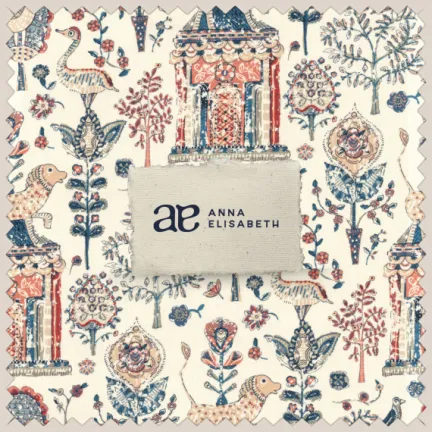
When You're Curating a Whole Room
Then there are projects where one or two fabrics aren't enough.
You may be developing upholstery for the main piece, another fabric for a chair, something quieter for pillows, a drapery selection, and additional layers that help carry color and texture throughout the space. At that point, searching fabric by fabric can make it harder to see how the room will come together.
This is where our new Kindred Collection becomes especially useful.
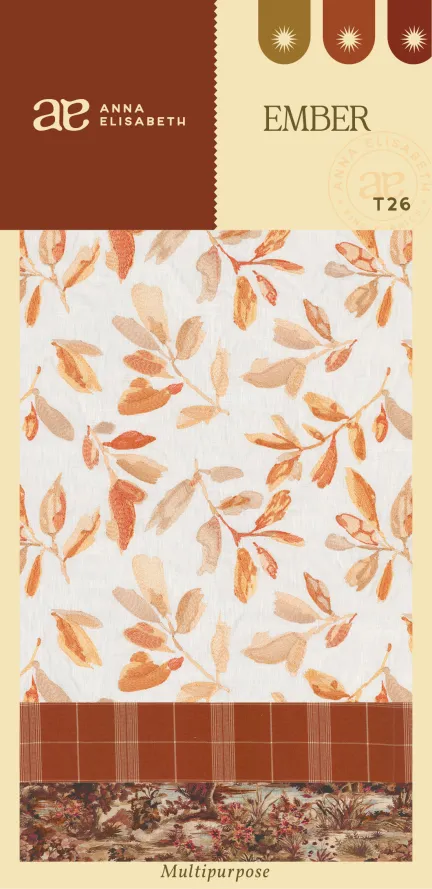
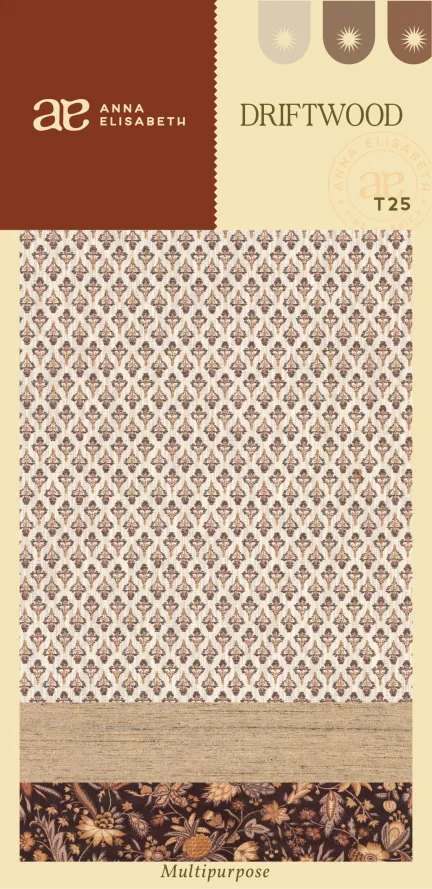
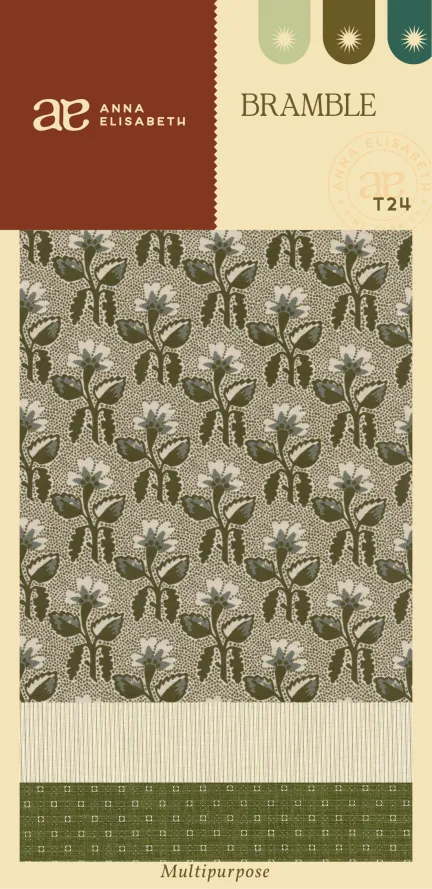
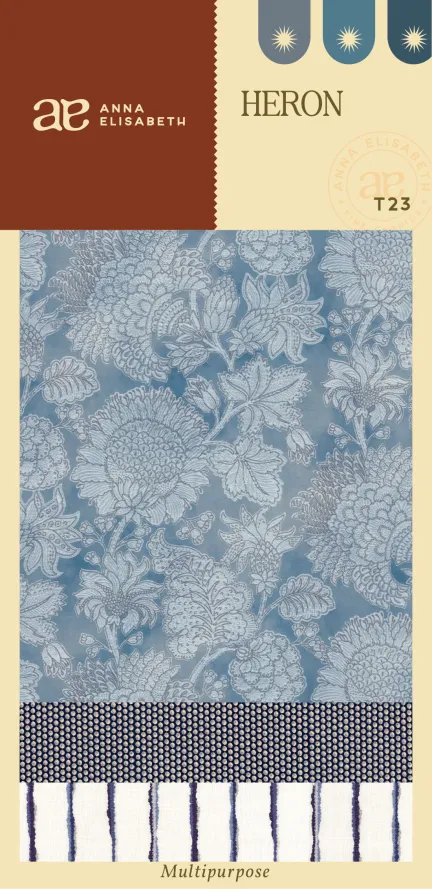
Kindred is built around four distinct palettes in four books—T25 Driftwood, T24 Bramble, T23 Heron, and T26 Ember—with more than thirty fabrics in each, spanning prints, wovens, embroideries, velvets, stripes, plaids, prints, and multipurpose textures. Each palette gives the designer an entire color world to work within, with enough range to begin composing a whole room.
The four palettes are intentionally connected through recurring patterns, so a familiar floral, stripe, plaid, or animal print can appear again in another color story and take on a new character. Four palettes, kin to each other — one thread running through the collection.
That structure gives you room to explore without asking you to build every relationship from scratch. You can stay within Driftwood's warm neutrals, move deeper into Bramble's layered greens, explore the soft-to-deep blues of T23 Heron, or follow the warmth of T26 Ember through rusts, ochres, plums, and pinks.
The hard work of gathering the possibilities is already done. What's left is the joyful part: composing the room.
Start With the Book. See Where It Takes You.
The most useful sample book is the one that meets the project where it is.
Start with the application or requirement when the need is specific. Explore a focused pattern, material, or performance direction when you already know what you're after. When the room is asking for more than one fabric, give yourself a broader world to work within and let the assortment help shape what comes next.
A sample book doesn't replace the designer's eye. It gives that eye more to work with while leaving plenty of room for discovery.
Start with what the project needs. Pull what speaks to you. Then see where the room takes it.