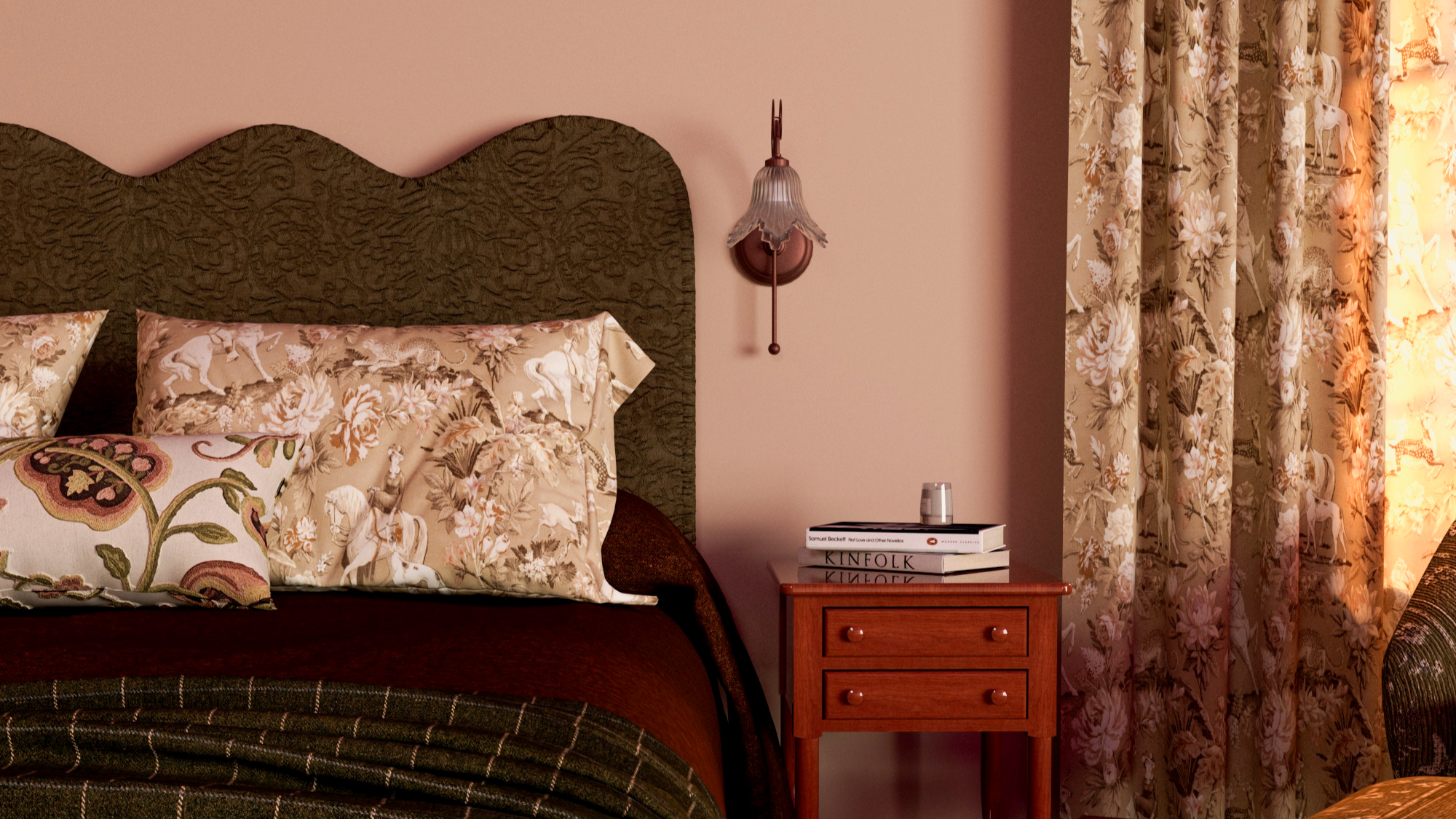
There’s a difference you can feel the moment you walk into a room, even if you can’t immediately explain it.
Some spaces just feel “finished”. Everything's in its place.
Others feel “settled”. Considered. Like the room understands itself.
That distinction has less to do with style and more to do with how the space has been composed.
Begin with a point of view
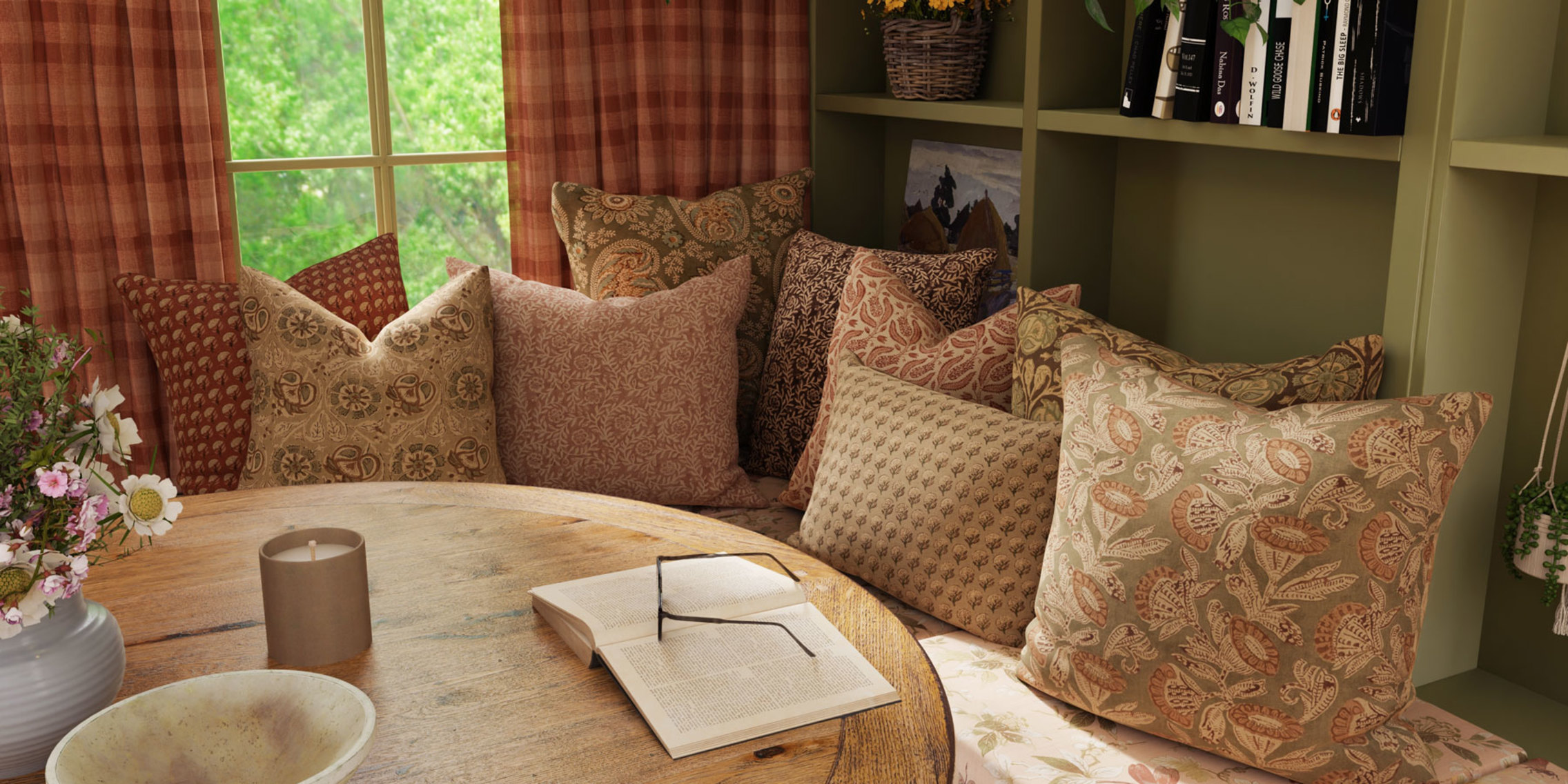
Rooms that hold your attention tend to come from a clear sense of what belongs.
Not a checklist. Not a formula. A perspective.
It guides what’s included, what’s left out, and how everything relates. Without that clear perspective, a space can feel complete but still slightly unresolved—like it’s waiting for something it can’t name.
With it, even the simplest rooms carry a sense of direction.
A room finds its rhythm through thoughtful arrangement
There’s a kind of discipline in how elements are arranged.
It’s about more than where something sits—it’s about the role it plays in the room. What it draws your eye toward, what it allows to quietly recede, and how each element supports the whole.
You notice when a space has been adjusted, not just assembled.
The balance feels natural and intentional.


Materials shape the experience
The rooms that stay with you tend to rely less on statement and more on substance.
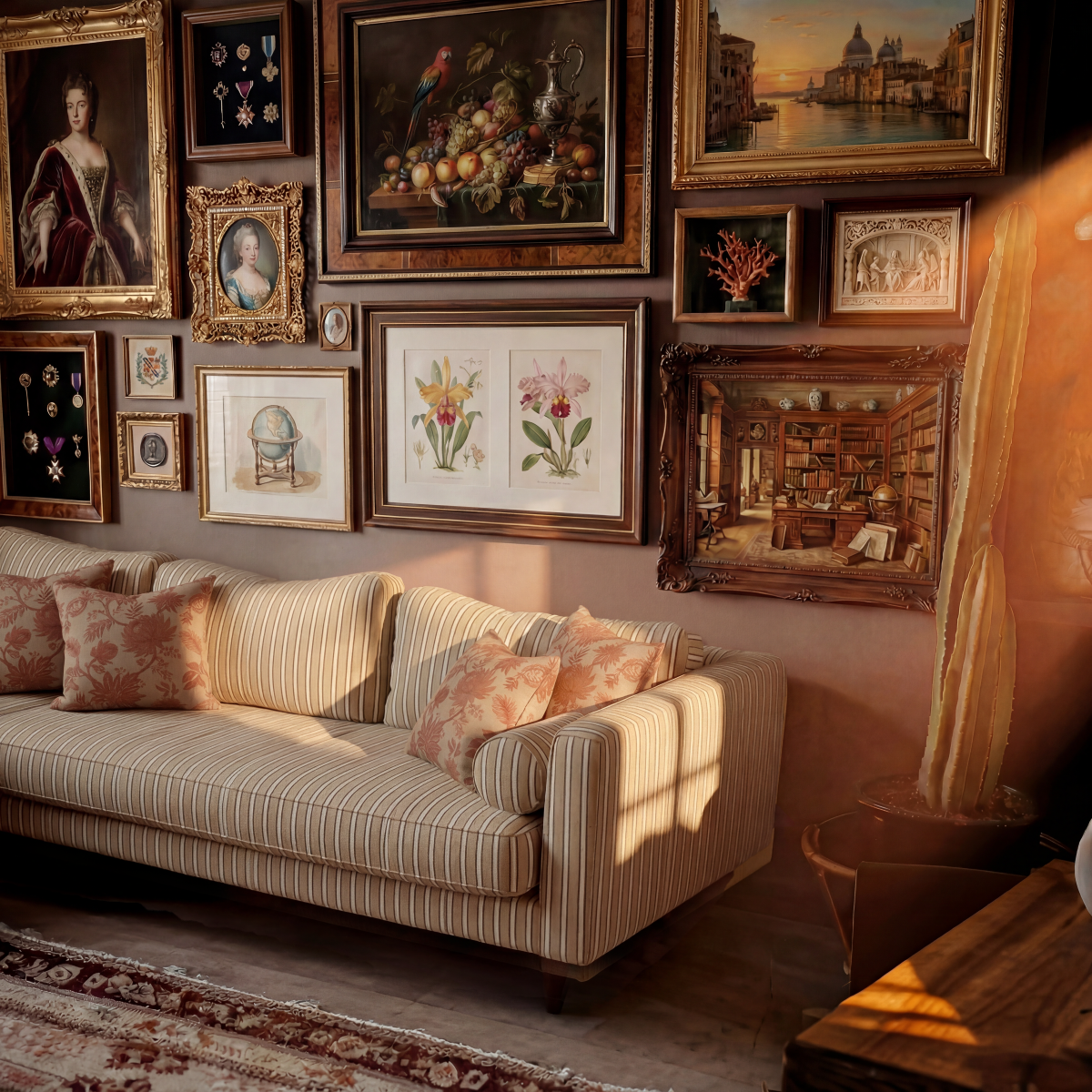
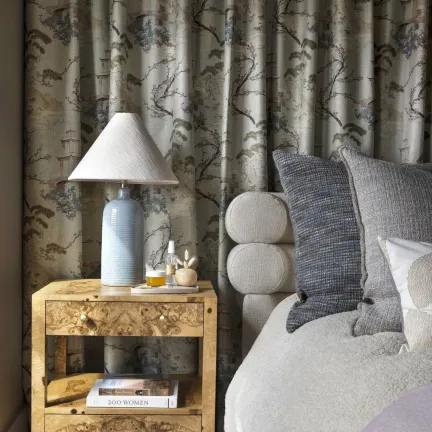
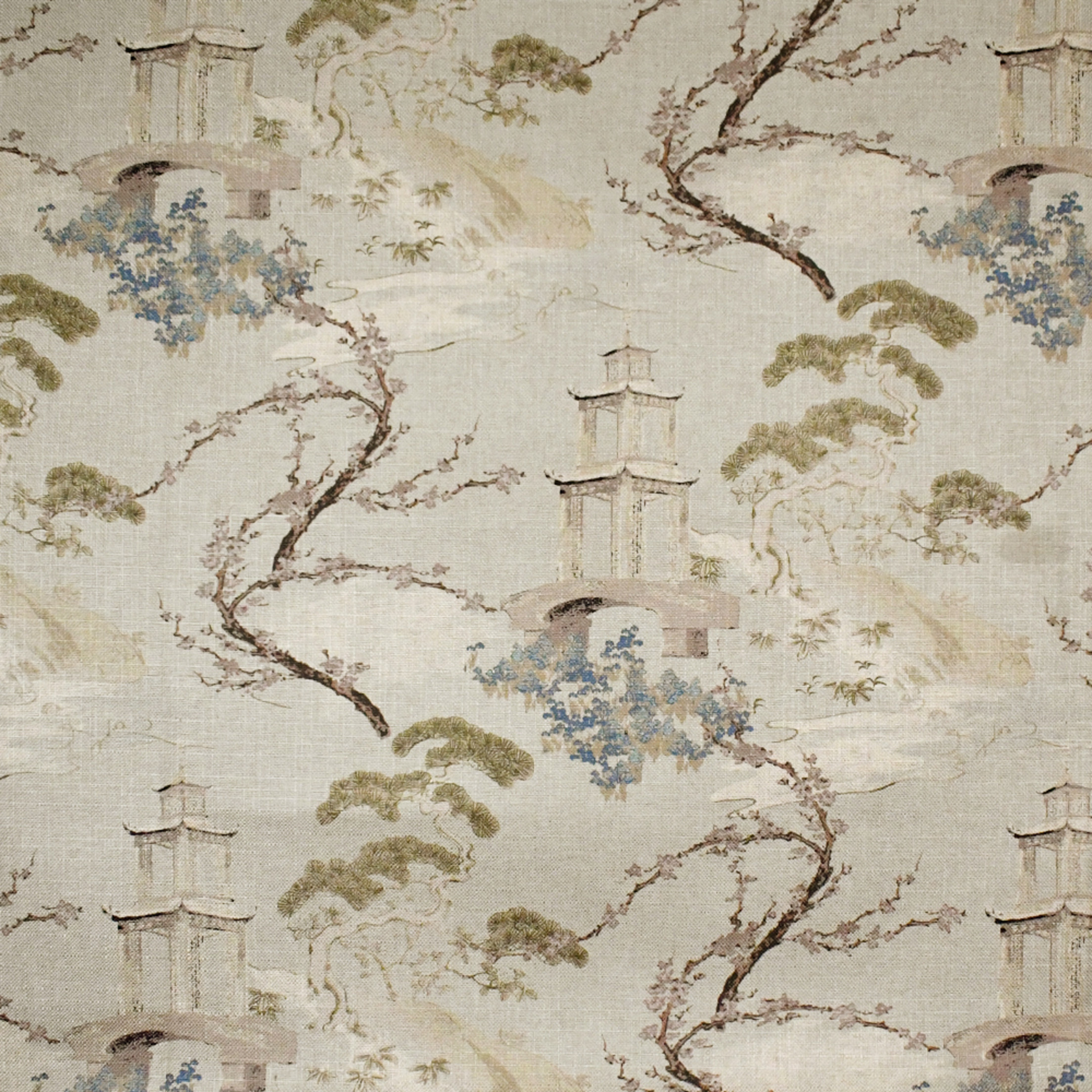
You see it in the way light moves across a surface. In how texture softens or sharpens the atmosphere. In how certain materials give the room a sense of structure without making it feel rigid.
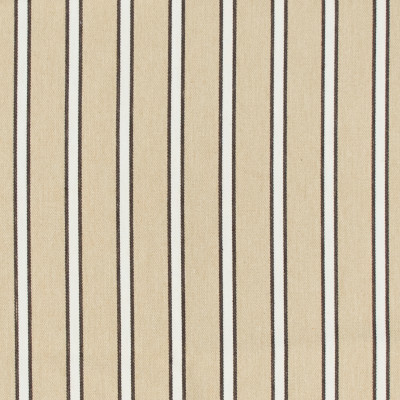
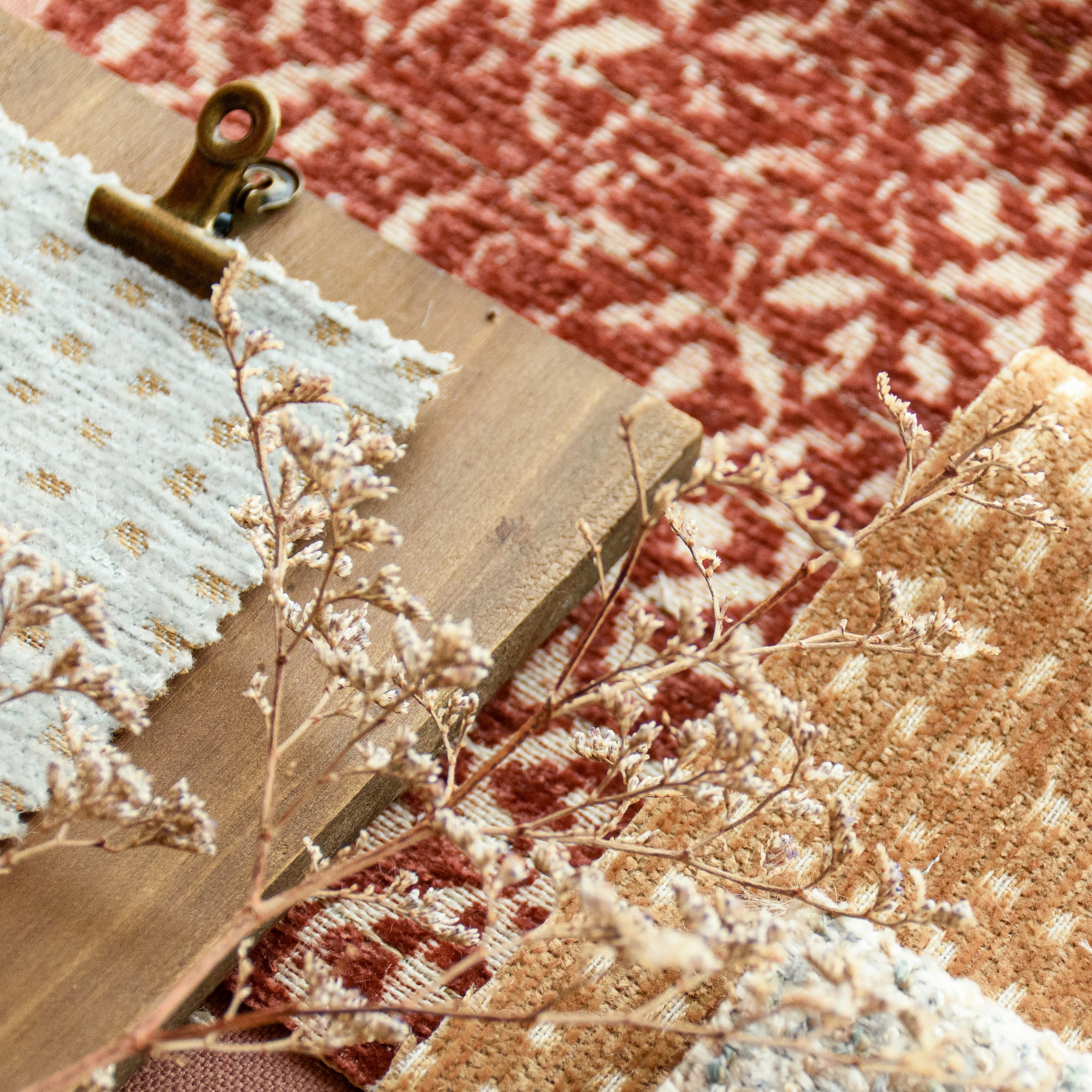
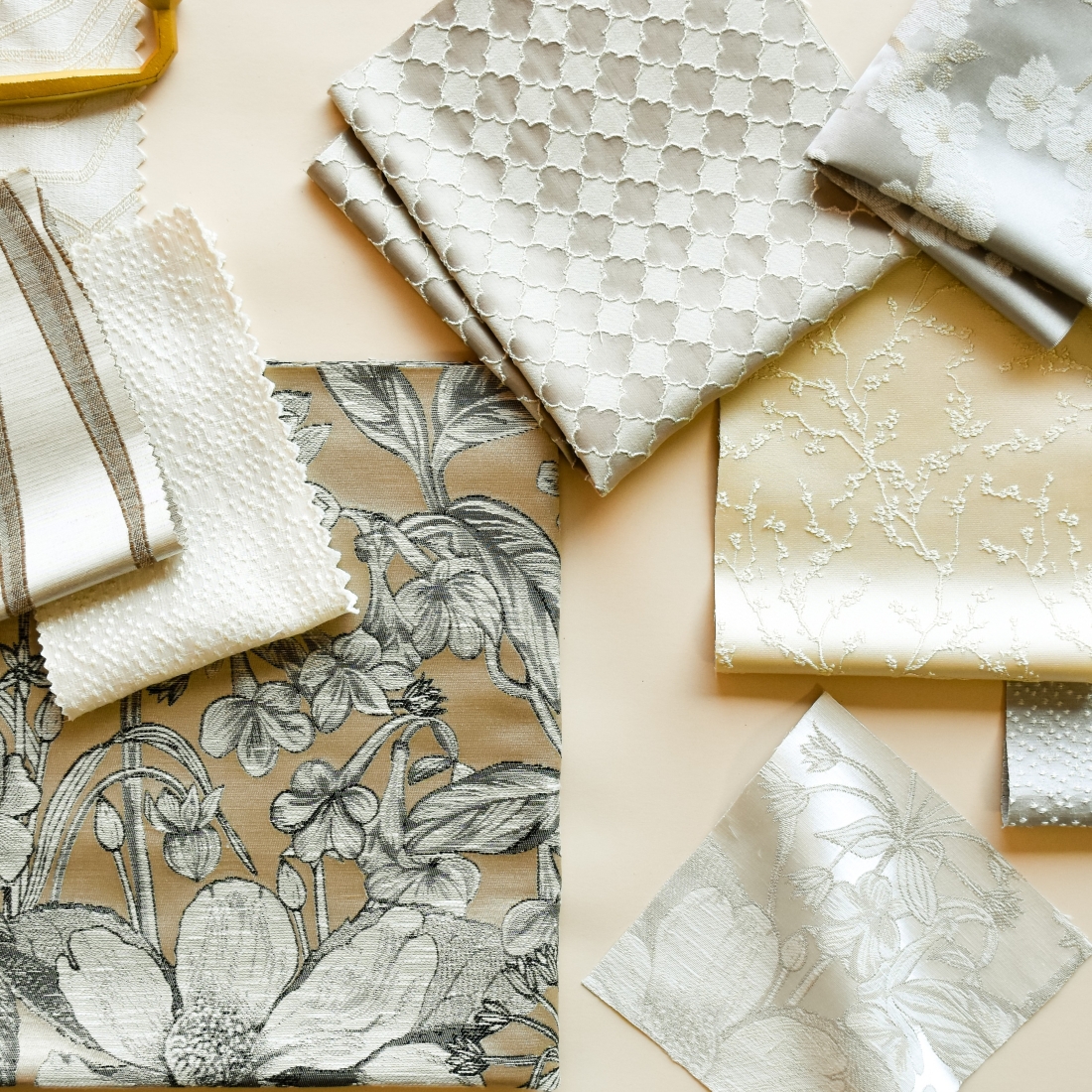
Textiles play a quiet but defining role here. A stripe can introduce order without feeling strict. A woven texture can add depth without asking for attention. A performance fabric can carry the room through daily life without changing how it feels.
These choices contribute more than texture and color. They help form the space.
Continuity does more than contrast
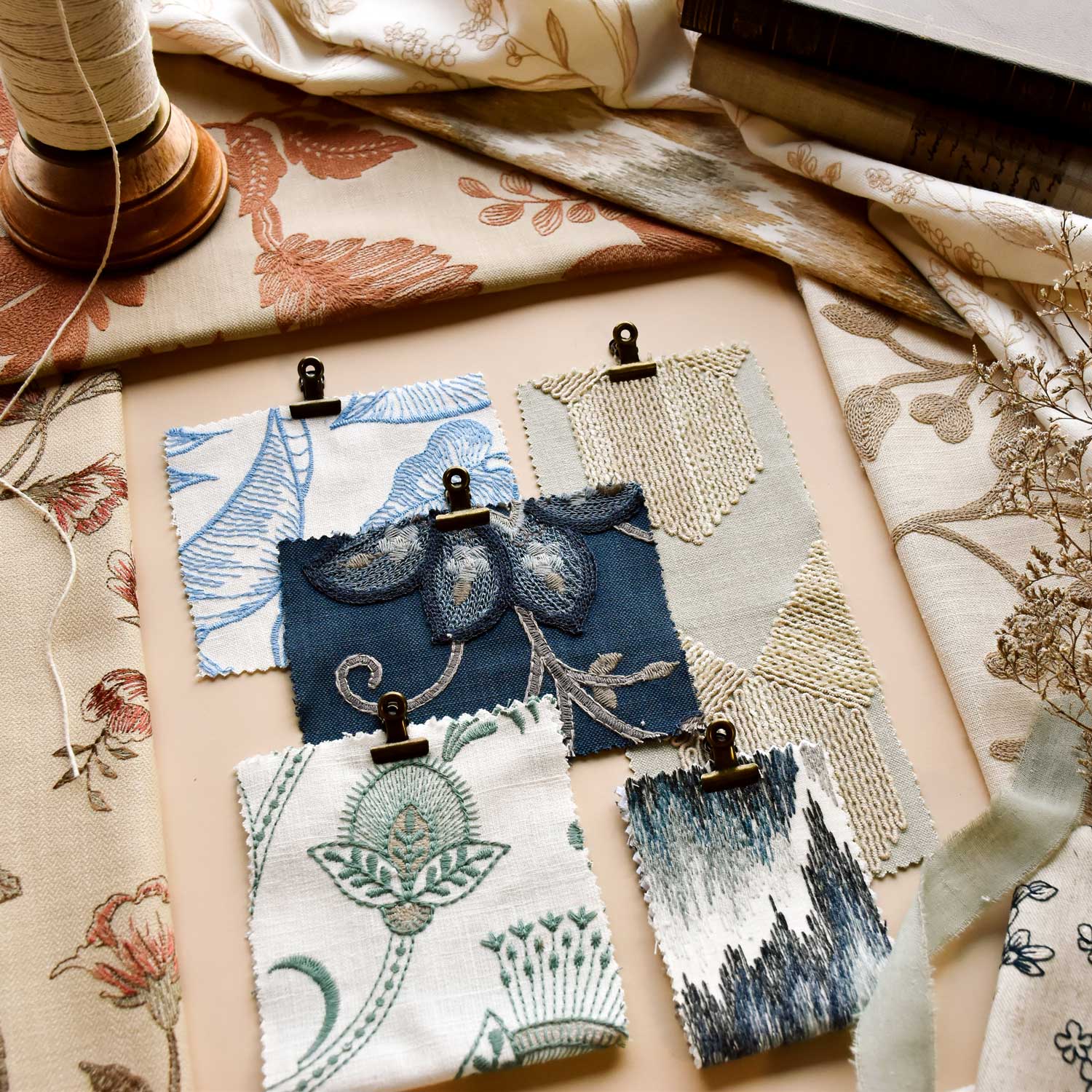
There’s a rhythm to composed spaces. It comes from repetition, but not in exact terms. From variation, but not for the sake of difference. A shift in scale from one pattern to the next. A familiar tone that appears again in a different material. A texture that echoes, just enough to feel intentional.
Nothing feels overly matched. Nothing feels disconnected. The room holds together without having to prove it.

Make space for living
A well-composed room doesn’t require careful navigation. It’s meant to be used. To change slightly over time. To take on the imprint of the people who move through it.
That only works when the foundation is considered. Materials that wear in, not out. Surfaces that don’t demand constant attention. Choices that support how the space is actually lived in.
When those things are in place, the room relaxes and so do the people in it.
A quieter kind of confidence
Composed rooms don’t rely on excess to feel complete. They feel resolved.
There’s clarity in what’s been chosen, and just as much clarity in what hasn’t. Nothing is there to fill space. Nothing is trying to carry the entire room on its own.
At Anna Elisabeth, this is how we think about fabric.
Not as something added at the end, but as part of the structure from the beginning. A way to guide the balance of a room, support how it’s used, and give it a sense of continuity that lasts.
When a space is composed, you don’t take it in all at once.
You settle into it.